

Building a Weather-Ready Roof: Sunshine Coast Solutions for Extreme Conditions
December 15, 2025
Life on the Sunshine Coast offers an enviable coastal lifestyle, but the same climate that delivers sunshine and sea breezes can place serious strain on your home’s roof. Salt exposure, high humidity, intense storms and sudden downpours all contribute to accelerated wear if roofing systems are not designed for local conditions. At CBT Roofing, we work with Sunshine Coast homeowners every day who are navigating these challenges and looking for long-term, practical solutions that stand up to Australia’s extreme weather. A weather-ready roof is not just about surviving storms but about building resilience into your home year after year.
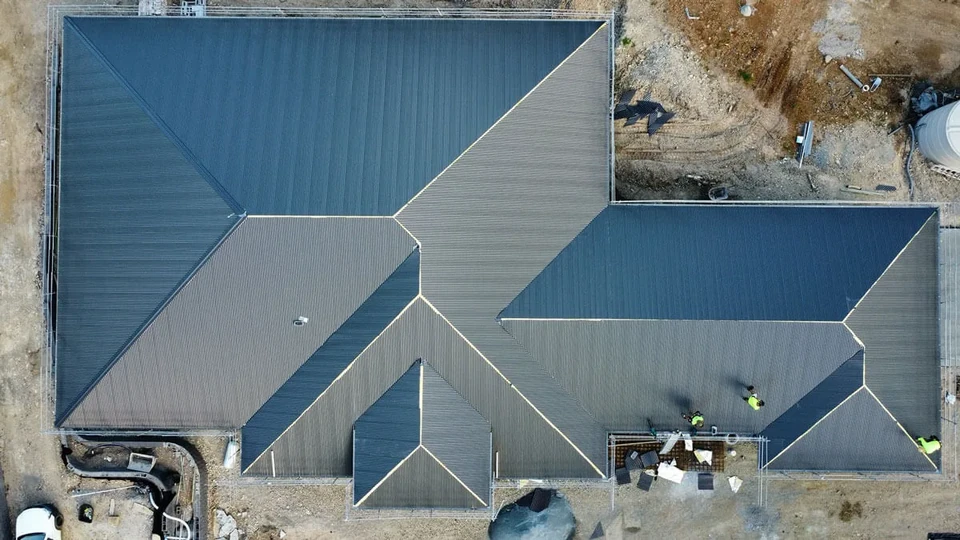
The Sunshine Coast’s subtropical climate creates a unique set of pressures on roofing materials. Understanding how local weather patterns affect your roof helps homeowners make smarter decisions around maintenance, repairs and upgrades.
Coastal air contains salt particles that settle on roofing surfaces and metal components. Over time, this exposure accelerates corrosion, particularly on older roofs or those without protective coatings.
High humidity compounds the problem by:
In coastal suburbs, corrosion can develop faster than many homeowners expect, making material selection and protective treatments especially important.
While direct cyclones are less frequent on the Sunshine Coast, severe storm systems and cyclonic remnants still generate strong winds capable of damaging roofs. Wind uplift occurs when pressure builds under roofing materials, lifting sheets, tiles or ridge capping.
This risk increases when:
Once wind compromises the roof structure, water intrusion and internal damage often follow.
Summer storms can deliver large volumes of rain in a short period, placing significant pressure on roof drainage systems. When gutters, downpipes or valleys fail to cope, water can quickly enter the home.
Common causes of water ingress include:
Even small drainage issues can lead to ceiling damage, insulation saturation and mould growth if left unchecked.
Advances in roofing technology have led to materials specifically designed to perform in coastal and high-moisture environments. Choosing modern solutions can significantly improve durability and reduce long-term maintenance.
Metal roofing remains popular on the Sunshine Coast, but not all products are suitable for coastal exposure. Marine-grade coatings and corrosion-resistant metals are designed to withstand salt-laden air without degrading prematurely.
These materials offer:
They are particularly beneficial for homes located near the ocean or exposed to prevailing coastal winds.
A roof’s performance depends not only on what is visible but also on the layers beneath. Modern insulation, sarking and ventilation systems play a vital role in managing moisture and temperature.
Key advantages include:
This integrated approach is essential for maintaining comfort and structural integrity in humid conditions.
Australian building standards for roofing have evolved to better address high-wind regions. Quality fastenings and compliant installation methods are critical for roof stability during storms.
High-wind-rated systems provide:
Upgrading fixings during repairs or re-roofing can dramatically improve storm resilience.
Preparation is one of the most effective ways to minimise damage during severe weather. Proactive care allows homeowners to address vulnerabilities before storms arrive.
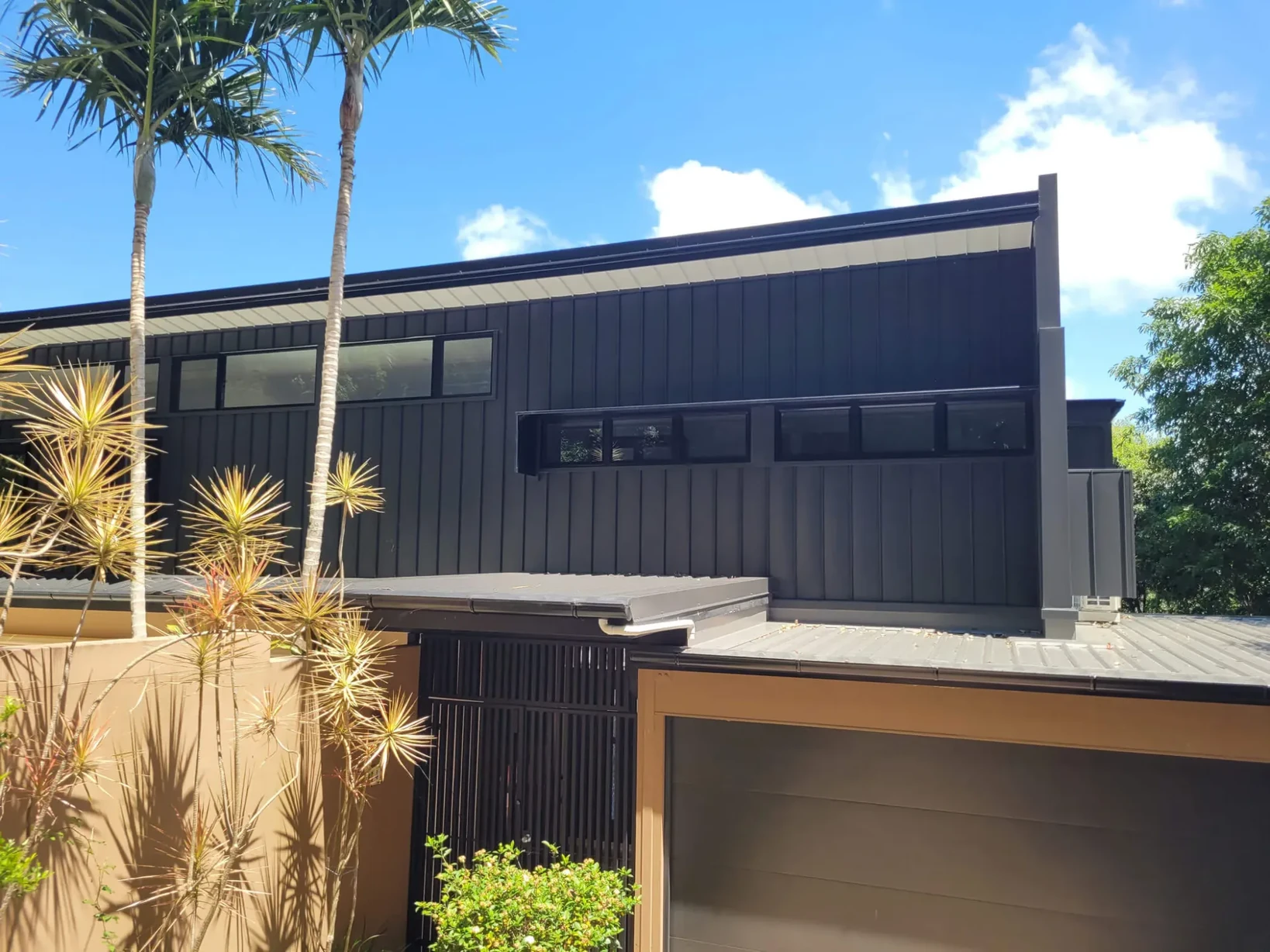
Seasonal maintenance is especially important in the lead-up to storm season. Regular checks help identify small issues before they escalate.
A practical maintenance routine includes:
These steps help maintain roof integrity throughout the year.
Many roofing issues stem from delayed action or incorrect repairs. While minor problems may seem harmless, they often worsen rapidly under extreme weather.
Common mistakes include:
Avoiding these pitfalls reduces the likelihood of emergency callouts and costly repairs.
Addressing existing damage before storms arrive is critical. Loose fixings, degraded sealants and minor leaks should be repaired promptly to prevent further deterioration.
Timely roof repairs in Sunshine Coast homes help:
Preventative repairs are far more cost-effective than post-storm restorations.
Some roofing issues are not visible from the ground. Professional inspections are recommended for older roofs, coastal properties or homes that have experienced recent storm activity.
A thorough inspection can identify:
This insight allows homeowners to plan upgrades or repairs with confidence.
Building a resilient roof is a long-term investment that pays off through reduced maintenance, improved comfort and greater peace of mind during extreme weather.
Selecting materials specifically designed for coastal environments is essential for long-term performance. Corrosion-resistant metals, high-quality sealants and durable membranes all contribute to extended roof lifespan.
These choices help minimise ongoing maintenance while maximising protection against moisture and salt exposure.
Targeted upgrades can significantly improve how a roof performs under stress. Reinforced fixings, improved drainage capacity and enhanced ventilation all play a role in weather resilience.
Even incremental improvements can make a noticeable difference during severe storms.
Consistency is key to roof longevity. Simple, ongoing practices help maintain performance regardless of the season.
Effective strategies include:
These measures ensure your roof remains reliable in Sunshine Coast conditions.
A weather-ready roof is essential for protecting Sunshine Coast homes from Australia’s demanding climate. By understanding local weather impacts, choosing the right materials and committing to regular maintenance, homeowners can significantly reduce the risk of damage and extend their roof’s lifespan. With the right approach and expert guidance from CBT Roofing, your roof can be built to withstand extreme conditions while providing long-term protection and peace of mind.