
Colorbond vs Tiles: Which Roof Performs Better in Coastal Conditions?
December 12, 2025
Living near the ocean comes with incredible lifestyle benefits, but it also exposes your home to some of the harshest environmental conditions in Australia. When planning a roof replacement in the Sunshine Coast, choosing a roofing material that can handle constant salt exposure, shifting moisture levels and strong coastal weather patterns is essential for long-term protection. At CBT Roofing, we’ve worked on hundreds of coastal properties and have seen how the right roofing material can influence performance, maintenance needs and overall lifespan. Many homeowners find themselves choosing between Colorbond and traditional tiles, but their behaviour in coastal conditions differs more than you might expect.
Below, we break down each roofing option in detail to help you make an informed, confident decision for your coastal home.
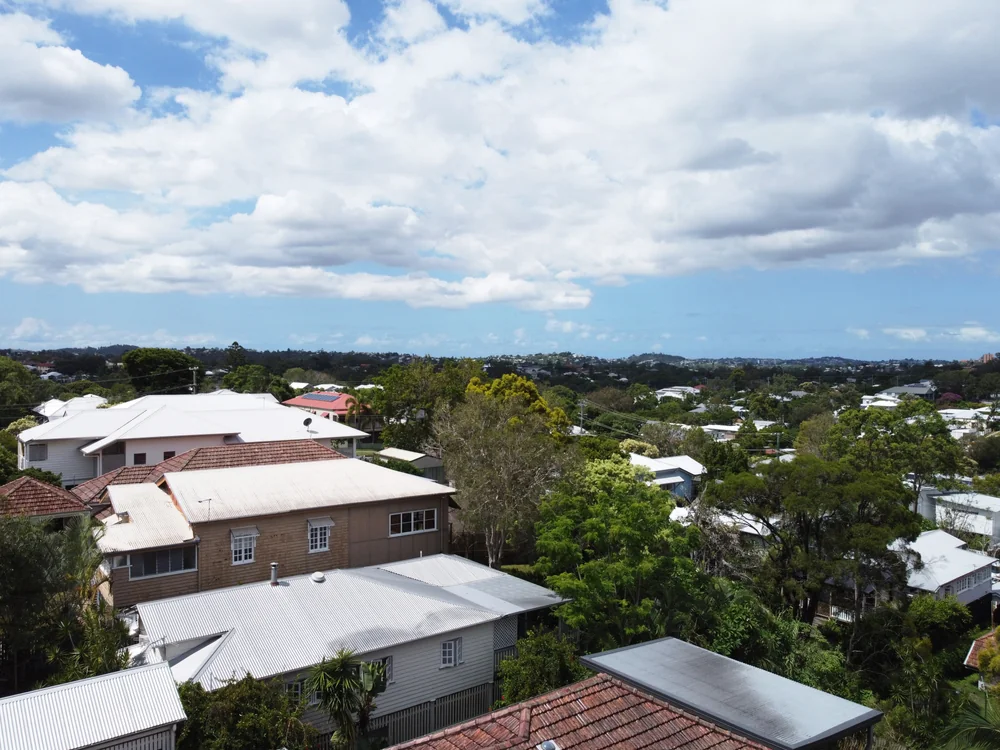
Coastal environments place far more strain on roofing systems than inland areas. Coastal environments expose roofs to forces that inland homes rarely experience. Salt particles, elevated humidity and powerful winds create conditions that quickly reveal weaknesses in any roofing system. Before choosing between Colorbond and tiles, it’s essential to understand the specific environmental pressures that coastal roofs face and why material selection directly affects durability and maintenance.
Salt-laden air is one of the most destructive forces acting on coastal roofs. Even without direct contact, airborne salt settles on roofing surfaces and slowly begins corroding them. During humid or wet periods, the salt becomes active again, speeding up the deterioration process. Understanding how each material tolerates moisture and salt exposure helps predict long-term performance. Impacts include:
Coastal areas frequently experience intense wind gusts, storm systems and the occasional cyclone-strength event. These conditions test the roof’s ability to stay secure, stable and watertight under pressure. Also, maintaining integrity during extreme weather is one of the most important factors for coastal homeowners. Wind and storms create risks such as:
These combined environmental pressures mean roofing materials vary greatly in how well they hold up. Selecting the right material is about balancing durability, cost and suitability for the location, not just appearance. Your choice determines:
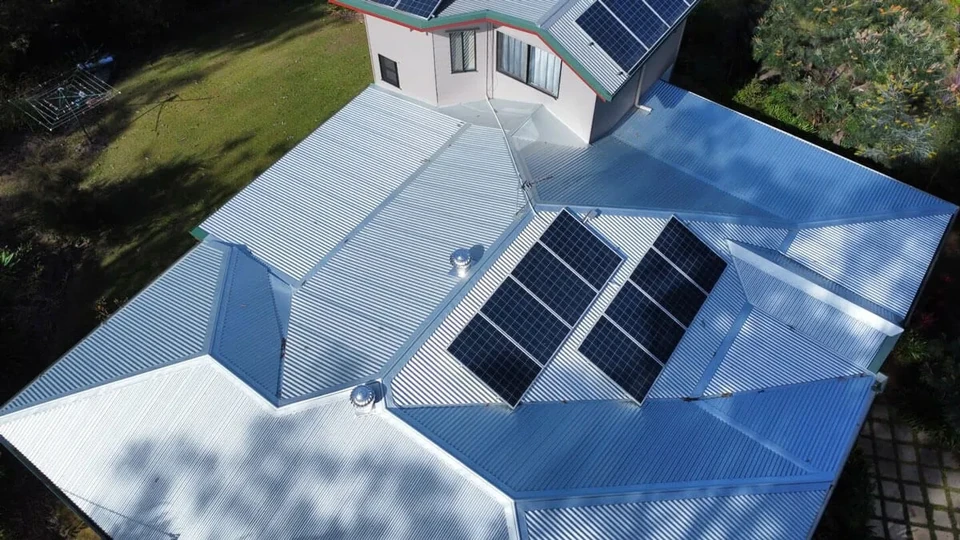
Colorbond is engineered for tough environments and uses multiple protective layers to resist salt, moisture and general coastal wear. It meets decades of innovation, advanced protective coatings and a manufacturing process designed for harsh climates.
Colorbond is specifically manufactured with multiple protective layers designed to guard against salt and moisture. This helps slow down the corrosion process compared to basic metal roofing. Because the coatings self-seal minor scratches, Colorbond remains visually appealing and structurally sound for many years. The systems offer:
Colorbond roofs are lightweight yet strong, allowing them to be screwed directly into battens for superior wind resistance. This makes them well-suited to weather extreme coastal conditions. In regions with frequent storm warnings, Colorbond often performs more reliably than heavy, rigid tile systems. Performance advantages include:
One of the biggest advantages of Colorbond roofs is their low maintenance requirements. The smooth surface sheds debris and salt easily, and structural issues are rare unless the roof is physically damaged. For homeowners who want durability without constant upkeep, Colorbond provides an excellent balance. Expected benefits include:
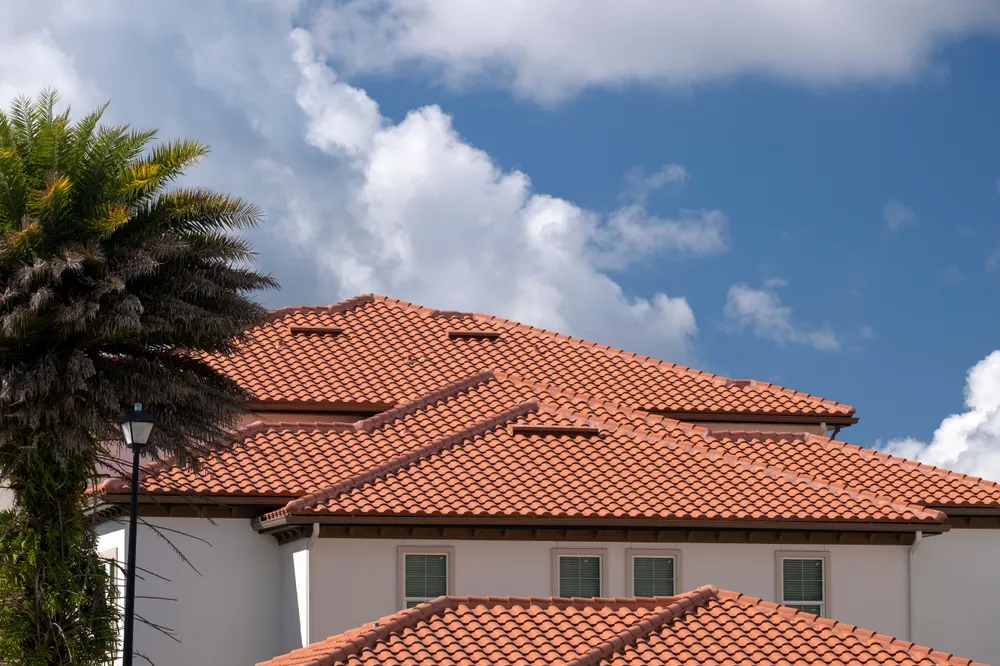
Tile roofs have long been admired for their classic appearance, strong thermal performance and exceptional lifespan when installed in the right environment. However, coastal regions introduce a very different set of challenges that can impact how well tiles perform. Because tiles are naturally porous and rely on mortar, ridging and individual tile positioning for structural integrity, they require more careful oversight in areas exposed to moisture and corrosive elements. For those living near the ocean, understanding how tile roofs respond to coastal conditions is essential for determining whether this traditional roofing material can deliver the longevity and protection their property needs.
Tile roofs are significantly heavier than Colorbond, which is both an advantage and a disadvantage. While their weight makes them stable, it also makes them more vulnerable to wind uplift if tiles crack, shift or loosen. Even one shifted tile can allow water ingress, so vigilance is essential. Be mindful of these potential risks:
Tile roofs in coastal regions require more consistent care to remain watertight and visually appealing. Homeowners must be prepared for regular upkeep. Remember, while tiles can last decades, the cumulative maintenance can become costly. Typical long-term requirements include:
When weighing up Colorbond versus tile roofing, it becomes clear that each material brings its own strengths, weaknesses and long-term considerations. However, coastal environments add an extra layer of complexity that homeowners simply cannot ignore. Knowing how each roof type performs under these conditions allows homeowners to make a practical, cost-effective decision that aligns with their lifestyle, maintenance preferences and long-term expectations.
Maintenance demands and long-term ownership costs are often overlooked during roof selection, yet they influence homeowner satisfaction. Understanding the ongoing care required for each roofing type will help you predict long-term costs, determine whether you’re comfortable with the upkeep involved and choose a solution that fits your budget and lifestyle.
Colorbond pros:
Tile considerations:
While performance is important, choosing a roof isn’t solely a technical decision; home design preferences, lifestyle, budget and aesthetic choices all play a part. Even though Colorbond outperforms tile roofing in most coastal environments, tiles still have advantages that appeal to certain homeowners, particularly those prioritising architectural style or building in areas with milder conditions. Understanding where each material excels ensures you’re selecting a roof that suits not only your environment but also your personal expectations for appearance, upkeep and long-term value.
Choose Colorbond if you want:
Choose tile roofing if you prefer:
When it comes to coastal roofing performance, Colorbond generally offers the strongest durability, lowest maintenance demands and most reliable behaviour in harsh conditions. While tile roofing remains a beautiful and long-lasting option, the salt, wind and moisture of coastal regions introduce additional upkeep and vulnerability that many homeowners wish to avoid. If you’re considering a new roof for your coastal home, CBT Roofing can help you compare both options, assess local conditions and choose a roofing system built for long-term performance. Ready to protect your home with a coastal-grade roofing solution? Contact us today for expert guidance and a tailored quote.