

Common Re-Roofing Mistakes Sunshine Coast Homeowners Regret Years Later
February 18, 2026
Re-roofing a Sunshine Coast home is one of the biggest investments many property owners will make, yet it is also one of the projects where hidden mistakes often do not reveal themselves until years later. CBT Roofing regularly attends call-outs where a roof that looked fine on day one is now leaking, rusting or failing long before its time. In almost every case, the real problem started with avoidable errors in planning product choice or workmanship that were simply not obvious to the homeowner at the time.
This article explores the most common re-roofing mistakes roofers see and why they become costly regrets down the track. Readers will learn how issues can shorten a roof’s life and void warranties. By understanding the pitfalls in advance, homeowners can ask the right questions, compare roofing quotes properly and make confident decisions that protect their property budget and peace of mind for the long term.
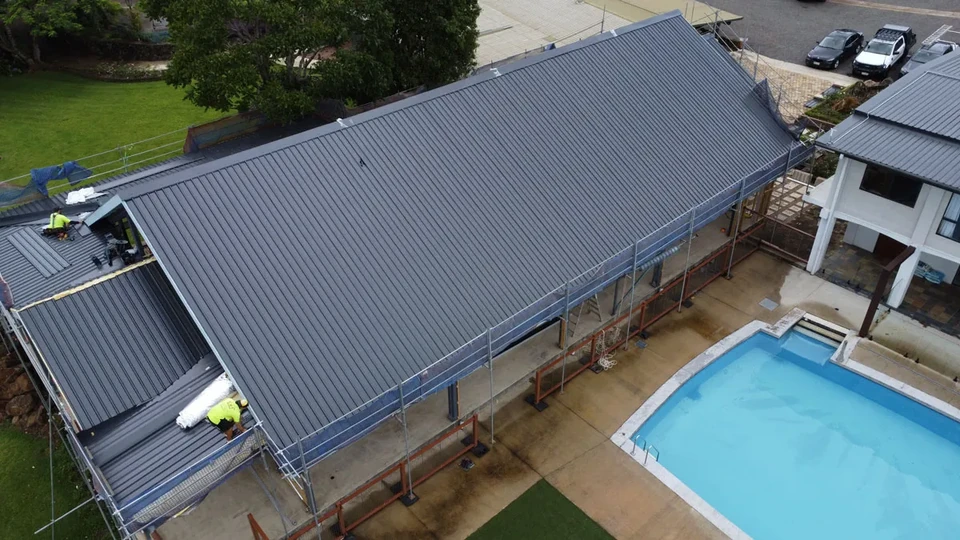
Many homeowners focus on colour and price when re-roofing and overlook the structural details that actually determine how long the roof will last. The most expensive regrets usually come from shortcuts that are hidden in the structure or in the fine print of the specification.
Roofers notice the same avoidable issues over and over. They often start as small leaks or rattles in coastal storms, then turn into structural damage or complete roof replacements years earlier than necessary.
Fasteners are a common place where budgets get trimmed. Using fewer screws than the manufacturer specifies or using cheaper screws in a coastal environment can shorten a roof’s life.
Roofs are regularly hit with high wind gusts and salt-laden air. If the correct cyclone-rated screw patterns are not followed, sheets can lift or flutter, which breaks the waterproof seal and stresses the frame. If non-compliant or non-coated screws are used, they can rust long before the metal sheet itself, leading to staining leaks around the penetrations and, in some cases, sheets blowing off.
A proper specification sets out screw-type coating spacing and pattern for every roof zone, including edges, ridges and valleys. Roofing experts follow manufacturer and NCC requirements rather than “rules of thumb”, so the fixing system matches local wind ratings and exposure.
Another shortcut is treating re-roofing as a simple sheet swap without checking the timber or steel underneath. Old battens can be undersized for current codes, spaced incorrectly or already weakened by termites, moisture or previous leaks.
If new metal roofing is fixed to compromised framing, it might look fine at handover, but it will move excessively in high winds. That can crack sealants open and lap and strain flashings, leading to leaks at hips, valleys and around skylights or vents.
Before installing new roofing, professional roofers inspect and measure existing battens and trusses, check for rot, corrosion and termite damage and upgrade or reinforce where required. This can include installing additional battens, closer spacing around roof edges and bracing to meet current wind region and terrain category requirements.
Every roofing profile and brand has its own installation manual. Skipping these details is a shortcut that often voids warranties and causes problems years later.
Common specification mistakes include using an incorrect roof pitch for the chosen profile, using incompatible metals or flashings that trigger galvanic corrosion or using non-approved sealants and insulation products that interact badly with the roof coating. For example, fitting a low-pitched section with a profile that needs a steeper fall can cause water to back up under laps during heavy coastal rain.
Roofers specify complete roof systems rather than mixing components based only on price. That means matching sheets, flashings, screws, insulation and accessories from compatible ranges and installing them exactly to the manufacturer’s requirements so the roof performs as designed and warranties remain valid.
A roof that looks fine in the first year can start failing in year five or ten if it was not designed for local heat, humidity, salt and storms. Many mistakes are not obvious on installation day. They only show up as warped sheets, rusted screws, leaks in summer storms or rooms that are unbearably hot.
CBT Roofing often sees issues that trace back to climate blind spots during planning. Understanding these helps homeowners ask the right questions before work starts, not after problems appear.
The combination of high heat and coastal humidity is tough on roofing systems. A common mistake is choosing roofing profiles and underlays that suit a cooler, drier climate. The roof may pass basic checks, but years later, the problems start.
If the roofer skips or skimps on breathable sarking or uses the wrong type, warm, moist air from inside the home can reach the underside of the metal and condense. Over time, this can cause hidden timber rot, mould in insulation and corrosion from the underside of the sheets. Homeowners usually notice it as musty smells, stained ceilings or an increase in respiratory issues.
Poor roof ventilation is another blind spot. Without adequate intake at the eaves and exhaust at the ridge or via vents, hot air gets trapped in the roof space. This can shorten the life of insulation, bake plasterboard joints and push cooling costs up for years. A roof should be planned as a whole system with roofing material, sarking, insulation and ventilation all working together to manage heat and moisture.
Salt-laden air travels further inland than many expect. A roof that might last decades in a non-coastal area can start pitting or rusting early if the wrong products are used near the ocean. One of the biggest regrets experts hear is about early corrosion around screws, cut edges and flashings.
Blind spots include using generic fasteners instead of high-grade corrosion-resistant screws rated for marine influence zones. Another is cutting metal sheets on the roof and leaving swarf behind. Those tiny metal filings rust quickly, then stain and attack the surrounding coating. Years later, homeowners see brown streaks and think the sheet has failed when the real cause was poor practice at installation.
Choosing the correct metal grade or coating for the home’s exact distance from the coastline is critical. What suits an inland suburb may not be suitable for a waterfront or elevated property that cops direct sea spray.
Roofs must handle strong wind events, driving sideways rain and sudden downpours. A design that is fine in gentle conditions can leak or lift in local storms if these factors are not allowed for.
Common blind spots include underestimating wind zones for exposed sites on ridges or near the coast. If clips, screws, sheet overlaps and batten spacing are not specified for the correct wind category, the roof may rattle, flex, or, in worst cases, partially fail during a severe storm.
Rain intensity also matters. Box gutters that are too small, downpipes that are undersized or poorly placed and inadequate overflow provisions can cope in light rain but back up in a summer deluge. Homeowners then see internal leaks and blame the roofing sheets when the actual issue is water capacity and flow design that did not reflect various conditions.
By factoring in local wind ratings, known storm paths, typical rainfall intensity and exposure to driving rain at the design stage, expert roofers help ensure the new roof still performs in ten or twenty years, not just in the first wet season.
Many costly roofing regrets on the Sunshine Coast start before any work begins, at the quote stage. Homeowners often focus on the headline price and colour, while critical details that affect performance, comfort and future options are glossed over or not explained.
CBT Roofing encourages clients to treat the quoting process as the planning stage for the next 20 to 30 years of roof life. The choices made here determine how well the roof handles heat, storms, noise and future additions, like solar.
A common mistake is comparing quotes only on the final figure, not on what is actually included. Two quotes may both say “re-roof” but deliver very different outcomes.
Homeowners should ask each roofer to clearly specify:
A cheaper quote that omits sarking or uses thinner metal can mean a hotter home, more condensation risk and a shorter roof life. CBT Roofing often finds that adding proper sarking and adequate fixings at the quote stage costs a little more upfront but avoids premature corrosion and leaks in high wind events.
Comfort and energy efficiency are locked in early. Many quotes list insulation or sarking as optional extras or leave them out entirely to appear cheaper.
In a typical re-roof, roofers recommend discussing:
Skipping these items can lead to a home that is hotter in summer and noisier in heavy rain. Retrofitting insulation or ventilation after the new roof is installed is often more expensive and less effective. It is far better value to incorporate these elements while the roof is open and accessible.
Many plan to add solar panels, patio covers or an extension later but do not mention this when seeking quotes. The roof is then installed without optimal orientation planning, additional battens or dedicated cable paths, which can all support safer and cheaper solar installation later.
At the quote stage, experts can:
Ignoring these conversations may not stop future upgrades but can make them more complex, more intrusive on the finished roof and more costly than they need to be. In some cases, poor initial detailing can limit where solar can be safely mounted at all.
Re-roofing is one of those projects where the real consequences of your decisions don’t show up for years. That is why every point matters, from choosing the right roofing profile and colour for our harsh coastal climate to insisting on proper ventilation and insulation to making sure flashings, fixings and waterproofing are done to standard. Cutting corners on structural checks, batten replacement, sarking or cyclone-rated fixings might not be obvious on day one, but they are exactly the kinds of mistakes that turn into leaks, corrosion, heat build-up, mould, insurance dramas and premature roof replacement down the line. The goal is not just to “get a new roof on”; it’s to invest in a roof that is designed, installed and documented properly.