

Signs Your Metal Roof Needs Re-Roofing, Not Another Repair
January 16, 2026
Our experts at CBT Roofing often speak to property owners who are stuck in a cycle of quick repairs that never seem to solve the root problem. Metal roofing on the Sunshine Coast can last a long time, but patching and sealing cannot restore strength or reliability once a roof reaches a certain stage. Many people delay re roofing on the Sunshine Coast because repairs feel cheaper and easier in the moment, but small fixes on a failing roof often lead to bigger bills down the track. Understanding the warning signs helps you avoid interior damage and wasted money on roof repairs on the Sunshine Coast.
Metal roofing failures do not always show up as dramatic structural problems straight away. Sometimes the symptoms are subtle, like a persistent ceiling drip or small rust spots that gradually spread. The challenge is knowing when replacement becomes the smarter move than booking the next repair. A re-roof restores performance and lifespan because the entire system works together as a complete, modern roof, rather than a series of temporary fixes.
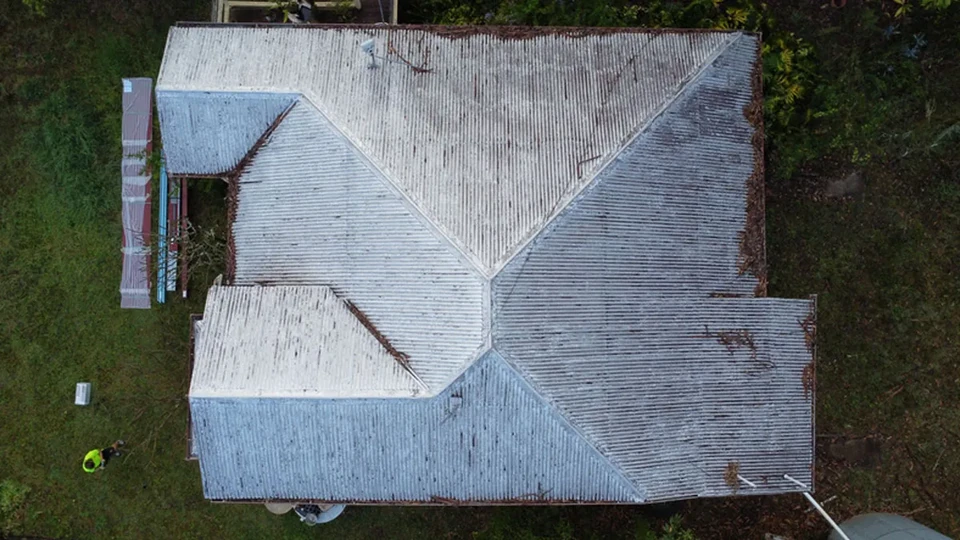
Most property owners are willing to fix a leak or two, especially if the roof is still within a reasonable age range. The real trouble begins when leaks keep returning in different areas or appear again in the same spot even after a repair. Water can travel through insulation and collect at the lowest point, so the leak you see might not be directly under the failure point. Over time these symptoms signal that the roof system may no longer be functioning as a sealed and controlled environment.
Many leaks begin as small penetrations around fasteners or joints, but you are no longer dealing with isolated issues once they multiply. Water entry means protective coatings and metal surfaces are deteriorating, allowing moisture to sit under sheets and start corrosion. Once rust takes hold between sheets or fasteners and battens, leaks become harder to find and nearly impossible to stop long-term.
When leaks reach this stage repairs are unlikely to restore performance because the whole system is compromised and deteriorating. Re-roofing becomes the only reliable option once failures spread beneath the sheet line.
A repair is only valuable if it provides a reasonable period of performance for the cost. Once repairs start happening every season or after each heavy rain, the short-term savings disappear and the total spend approaches the cost of a replacement. This cycle also consumes time and energy as you book trades while monitoring leaks and dealing with interior clean-ups.
When the cost of repairs begins converging with replacement it is clear the roof has reached the end of its repairable life. Investing in re-roofing delivers long term stability instead of short term patchwork.
Patching a roof involves sealing or plugging the visible problem but rarely allows inspection of the supports and surfaces underneath. Metal roofing systems hide a lot of their real condition under the sheets where moisture and rust fatigue begin. Patch jobs block the obvious leak but leave everything beneath unchanged.
Patch work can delay visible symptoms but cannot stop deterioration from spreading underneath the surface. Re-roofing removes the guesswork by allowing full inspection and replacement.
Metal roofing is strong, but it is not immune to the slow breakdown caused by moisture and airborne contaminants. Corrosion can begin as small specks or streaks and then develop into structural damage that eats through sheet thickness. Strength loss often occurs before corrosion becomes visibly dramatic. A roof that has been exposed to moisture and heat over many years eventually reaches a point where coatings and paint no longer offer real protection.
There is a major difference between mild surface blemishes and corrosion that threatens roof integrity. Surface rust usually sits on top of the protective layer and can often be sanded and treated. On the flipside, structural corrosion penetrates the base metal and causes deep pitting and flaking.
Surface rust may be manageable but structural corrosion signals the end of repair viability. Re-roofing restores lost strength instead of covering failure points.
Metal roofing in coastal climates faces airborne salt particles that stick to surfaces and hold moisture. This combination speeds up corrosion compared to areas away from the sea. Warm days and cool nights also create condensation on metal surfaces, adding another layer of moisture exposure.
Coastal corrosion progresses faster than most owners expect and repairs rarely keep pace with the damage. Re-roofing ensures the entire system is renewed to withstand the local environment.
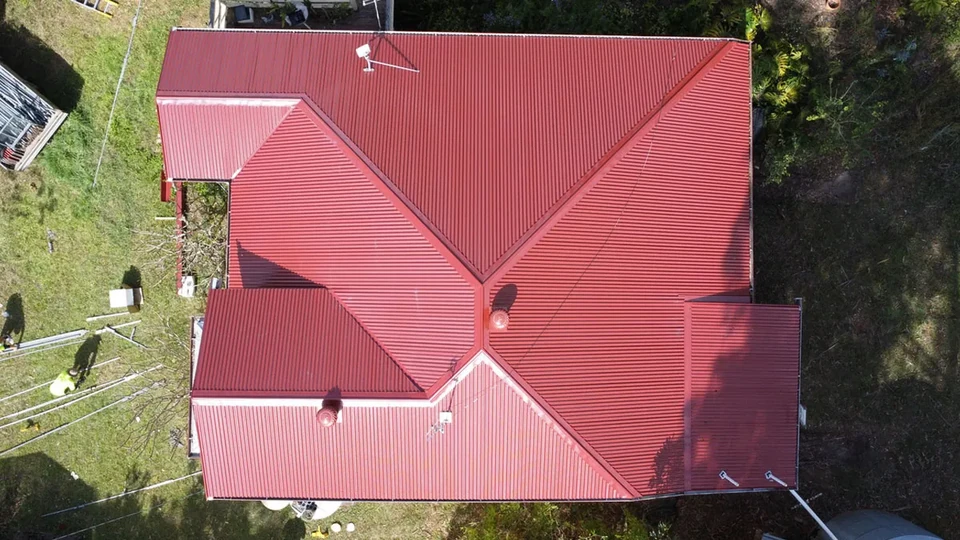
Painting or applying coatings can be helpful when a roof still has structural integrity. Once corrosion penetrates deeply, paint becomes more of a cosmetic mask than a structural fix. It cannot recreate lost metal thickness or rebuild screw holes.
Coatings only help when the roof is still structurally sound beneath the surface. Once corrosion advances, replacement becomes the only solution that restores integrity.
Fasteners are critical for holding sheets tight to the frame. Once they rust or break, they no longer secure the roof during strong wind or heavy rain. Metal sheets can shift slightly during temperature changes, and these movements become louder and more noticeable as fixings weaken. Storm seasons make these issues even more risky because wind uplift can start at the edges and work its way through weakened areas.
Fixings are small components with a big job. They hold everything together and create pressure that seals laps and flashing points. When they fail, the roof loses structural and weathering performance at the same time.
When fixings fail repeatedly the roof system can no longer maintain pressure or sealing. A new roof restores fastener strength across the entire surface for long lasting security.
Sheet movement might start as a bit of noise during warm afternoons, but it is usually a sign of loosening fasteners or deteriorating fixings. Metal roofing expands when heated and contracts when cooled, creating movement cycles every day. When the system is in good condition, you rarely hear these movements.
Noise and movement are signs of weakening structural grip that repairs rarely fix for long. Re-roofing renews tension and wind resistance so the system can perform under load.
Weather events often reveal roofing weaknesses that have been building for years. A roof with compromised fixings or leaks is more likely to tear open or shed sheets during strong wind. Re-roofing before the next major season prevents damage rather than reacting to it afterwards.
When storm performance becomes a concern, repairs offer very little reassurance. Re-roofing restores safety, strength and weather resilience before damage occurs.
For many property owners, the first instinct is to choose repairs because they feel cheaper and less disruptive. In reality, there are clear points where repairs no longer make financial or structural sense and a full replacement becomes the smart decision. Re-roofing provides improved weather protection and better long-term value than ongoing short-term fixes that never truly address the underlying problems.
When corrosion and leaks or fastener issues or storm concerns stack up, delaying the inevitable often costs more than acting early. Replacement can feel like a big step, but it delivers peace of mind that no patch can match. If you are noticing the signs described above and want an honest assessment that prioritises long-term value over quick fixes, CBT Roofing is ready to help.