

Why Your Roof Keeps Leaking After Repairs
February 10, 2026
When a roof keeps leaking after repairs, it can be frustrating, disruptive and costly. Homeowners often assume that once a contractor has visited, the problem is solved for good, only to find fresh stains on ceilings or damp patches spreading along walls after the next spell of bad weather. At CBT Roofing, we see this situation frequently with roof repairs on the Sunshine Coast, and it rarely comes down to simple bad luck. Recurring leaks are usually a sign that something important has been overlooked, misunderstood or poorly executed in the repair process.
In this article, CBT Roofing explores the most common reasons leaks return after work has supposedly been completed, from misdiagnosed problem areas and superficial patch jobs to hidden structural issues and ageing roofing materials. Readers will learn how small gaps in flashing or underperforming sealants can defeat even recent repairs, why ventilation and insulation problems can mimic or worsen leaks and how poor workmanship or cutting corners on materials often leads to repeat callouts. Understanding these underlying causes matters because it helps homeowners ask the right questions, recognise warning signs early and make informed decisions about who they trust on their roof so each repair is a step towards a lasting solution rather than just another temporary fix.
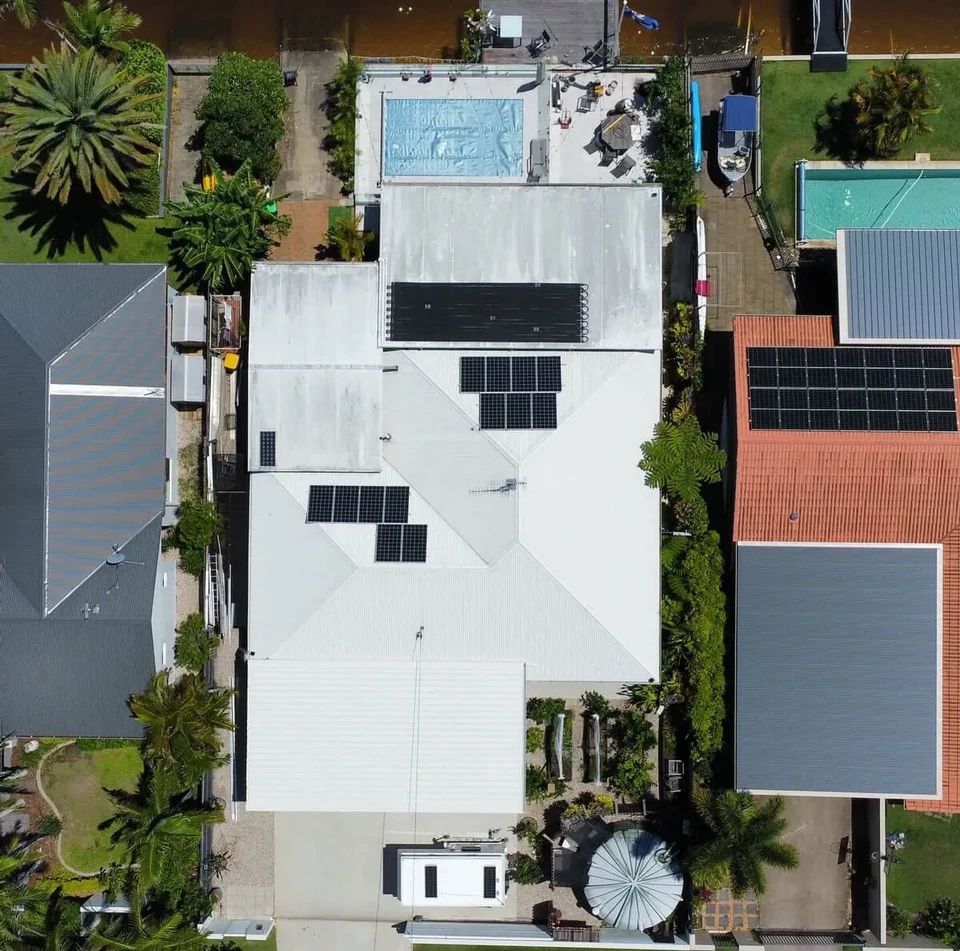
Persistent leaks in metal roofs usually trace back to one issue: the first repair did not locate the true entry point. Sealing where water appears inside rarely addresses where it is actually penetrating the roofing system. Until that source is correctly identified, any repair is likely to be temporary.
On metal roofs, water often enters at joints, fasteners or flashings and then travels internally before becoming visible. This makes accurate diagnosis essential rather than relying on the most obvious surface defect.
A common mistake is repairing the visible outcome instead of the underlying cause. Applying sealant along a sheet join near a ceiling stain may seem logical, but the water may be entering higher up at a wall flashing, ridge cap or loose fastener line.
Metal roofs rely heavily on correct flashing details and secure fixings. If those components fail, water can track beneath the sheeting before emerging inside. Treating only the area directly above the internal damage often leaves the true defect untouched, which is why the leak returns during sustained rainfall.
Recurring leaks are frequently linked to inspections that are rushed or surface-level. Metal roofing requires close examination of specific components that deteriorate over time.
A thorough inspection should include:
Internal inspection is equally important. Staining patterns on insulation or battens can indicate the direction of water travel. Without this systematic process, repairs are often based on assumption rather than confirmed evidence.
Metal roofs, particularly older installations, can develop several weaknesses at once. A contractor may repair a failed flashing or replace a handful of screws while other fasteners nearby are also nearing failure.
In addition, roof layouts with multiple wall junctions, box gutters or low-pitch sections are more vulnerable to water entry. Addressing one defect without assessing the broader condition can leave secondary entry points active.
When this happens, the issue appears to be the “same leak” returning, when in reality it is another untreated weakness in the system.
When a metal roof begins leaking again shortly after a repair, it usually indicates the solution was limited to what was immediately visible rather than what was structurally failing. Temporary improvements can hold during light rain but fail under heavy wind-driven weather.
Repeat leaks are rarely coincidence. In metal roofing, they are typically linked to misdiagnosed faults, surface-level patching or ageing components surrounding the repair area. Understanding why a repair lasted only weeks or months helps homeowners recognise when a more thorough approach is required.
A temporary repair often starts with an incomplete assessment. If attention is focused only on the area directly above the internal stain, nearby sheet laps, flashings or fasteners may go unchecked.
For example, water appearing in a bedroom ceiling may be entering where two roof planes intersect or where a wall flashing has lifted slightly. Because metal sheets channel water along their ribs, the visible leak location rarely aligns exactly with the entry point.
If the inspection did not extend beyond the immediate problem area, the primary fault may have remained active. The repair might reduce water entry temporarily, but once heavy rainfall or strong winds test the roof system, the leak returns.
Another common issue is cosmetic patching instead of correcting the underlying defect. Metal roofing relies on properly secured sheets, intact flashings and watertight fasteners working together as a system. Treating only the surface rarely restores full integrity.
Examples of short-term fixes include:
Sealants can provide temporary resistance, but exposure to UV and thermal expansion causes them to harden and crack over time. Once that happens, gaps reopen and moisture re-enters.
A lasting repair usually involves correcting the mechanical issue, whether that means replacing fasteners, reinstalling flashing correctly or removing affected sheets for proper reinstatement.
In some cases, the repair itself is sound, but the materials around it are near the end of their service life. When corrosion, washer deterioration or flashing fatigue is widespread, fixing one isolated area does not prevent adjacent weaknesses from developing into leaks.
Older metal roofs may show signs such as:
When these conditions exist across multiple sections, localised repairs often provide only short-term relief. Continued patching can become more costly over time than addressing the broader deterioration.
At that stage, sectional replacement or more comprehensive restoration may be the only reliable way to prevent recurring leaks.
If a metal roof continues to leak after multiple repairs, the problem may extend beyond a single flashing fault or loose fastener. At that stage, the focus shifts from isolated defects to the overall condition of the roofing system.
Recurring leaks often indicate broader deterioration rather than one failed component. On metal roofs, this can involve corrosion, widespread fastener fatigue or movement in critical junctions. When issues begin appearing in different areas over time, it suggests the roof may be nearing the limits of reliable patch repairs.
If water enters through different sections over several seasons, it may signal that the roof covering as a whole is ageing. Individual fixes can hold temporarily, but additional weaknesses develop elsewhere.
Common signs on metal roofs include:
When deterioration is widespread, patching one location does not prevent the next failure nearby. In these situations, sectional replacement or broader restoration work is often more effective than ongoing reactive repairs.
Layered sealants from past repairs can also contribute to the problem. Heavy build-up of old sealant may trap moisture, restrict drainage or conceal corrosion beneath. Removing compromised sections and reinstating them correctly is often the only reliable solution.
Ongoing leaks can also be linked to structural movement or original installation shortcomings. Metal roofing expands and contracts with temperature changes. If allowance for movement was insufficient during installation, stress can develop at fasteners and flashing points.
Over time this may lead to:
Structural issues such as sagging purlins or uneven framing can also affect water flow. Even minor changes in fall can redirect water toward vulnerable junctions.
In some cases, the original roof design may not have provided adequate drainage, particularly in low-pitch sections or box gutter systems. Addressing recurring leaks may require modifying detailing or upgrading materials rather than simply resealing joints.
Persistent water entry can cause deterioration beneath the metal sheets, even if internal staining appears minor.
Moisture can affect:
Over time, trapped moisture can accelerate corrosion from the underside of the sheeting or weaken structural members. In these cases, surface repairs alone are insufficient. Lifting sections of roofing to replace damaged materials may be necessary to restore the roof’s integrity and prevent further progression.
When a metal roof keeps leaking after repairs, the issue is rarely chance. It usually reflects an incomplete diagnosis, a temporary patch or broader deterioration within the roofing system.
Lasting results depend on identifying the true entry point and correcting the mechanical cause, whether that involves fasteners, flashings, corrosion or structural movement. If leaks continue after multiple repairs, it may be time to assess the roof’s overall condition rather than treating isolated symptoms.
A properly executed repair should restore performance, not create an ongoing cycle of repeat leaks.