

Does Colorbond Roofing Keep Your Home Cooler?
March 12, 2026
Colour is often seen as a design choice, but when it comes to roofing, it can also affect how much heat a home absorbs. As energy costs rise and Australian summers become more intense, many homeowners are asking whether Colorbond roofing can actually help keep indoor temperatures lower. At CBT Roofing, this is a question that comes up regularly, and the answer depends on more than colour alone.
In this article, roofing specialists explain how Colorbond performs in Australian conditions, with a focus on heat reflection, thermal efficiency and overall home comfort. Readers will learn how light and dark Colorbond colours affect heat absorption, how the steel and coating system influence roof temperature, and how insulation and ventilation work with the roof to shape the overall result. By understanding how these elements interact, homeowners can make more informed decisions about roof replacements or upgrades that may reduce heat build-up, lower cooling costs and improve year-round comfort.
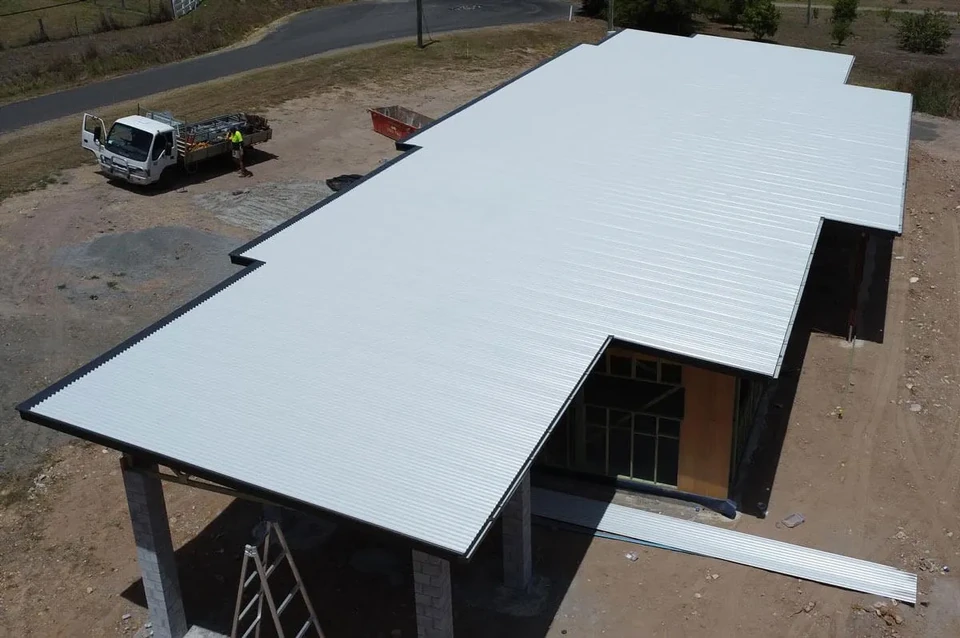
The roof is the single largest exposed surface on most homes, which means it is the main pathway for heat to enter the building. When the sun beats down all day, the roof absorbs and transfers that heat into the roof space and then into the rooms below. If the roof performs poorly, the home gets hotter and air conditioning has to work much harder.
Licensed roofing specialists often explain to homeowners that roof colour, material and design can make the difference between a home that feels stifling by mid‑afternoon and one that stays relatively comfortable. Understanding how heat moves through a roof helps clarify why upgrading to a better roofing system such as Colorbond can noticeably reduce summer heat gain.
When sunlight hits the roof, some of that solar energy is reflected back to the sky and some is absorbed by the roofing material. Darker colours absorb more heat, while lighter colours reflect more. This absorbed heat raises the surface temperature of the roof, which can easily reach 60-80°C on a hot day.
Heat then moves from the hot roof into the home in three main ways:
If insulation is thin, patchy or missing, that heat quickly reaches the plasterboard ceiling and then the living areas. The hotter the roof, the more intense this effect becomes and the harder the cooling system needs to work.
The type of roofing material and its surface finish dramatically affect how much heat is absorbed in the first place. Metal roofs such as Colorbond respond strongly to colour and reflective coatings because the metal sheet transfers surface temperature changes quickly.
Light-coloured and specially formulated solar-reflective Colorbond colours can:
On the other hand, older dark metal or concrete roofs with faded or rough surfaces tend to absorb and hold more heat. Even tiles which have thermal mass will radiate heat into the roof space well into the evening once they have warmed up throughout the day.
The roof space acts as a buffer zone between the outside heat and the rooms below. If hot air becomes trapped here, temperatures can soar and overwhelm insulation. Good roof design addresses this in two ways.
First, effective ceiling insulation slows conductive heat flow from the hot roof space into the home. Second, roof ventilation helps remove hot air so the roof space temperature stays closer to the outside air temperature. When licensed roofing specialists combine a lighter, high-performing roof finish with adequate insulation and well-designed ventilation, homeowners usually notice more stable indoor temperatures and less heat building up in rooms below the roof space.
For homeowners comparing metal roofing options on the Sunshine Coast, the key question is how Colorbond performs on a 40°C day under strong sun and what difference it can make to indoor comfort and energy use. Colorbond roofing is engineered for Australia’s harsh climate, so it offers more than visual appeal alone. It is designed to reflect a significant amount of solar radiation and work alongside insulation and ventilation to help keep homes more stable in temperature through summer heatwaves and cooler seasons.
Professional roofing specialists help homeowners get the best results from Colorbond by advising on colour choice, correct installation and the supporting elements that influence thermal performance. While the roofing material itself plays an important role, the overall outcome depends on how well the full roof system is designed to manage heat.
In Australian conditions, direct solar gain is a major contributor to roof heat. Colorbond roofing uses specially formulated paint systems that improve solar reflectance compared with many standard metal roofing products. This is particularly noticeable in the lighter colours and in the Cool Roof range.
Lighter Colorbond colours such as Surfmist and Shale Grey reflect more of the sun’s energy, which means the metal surface does not heat up as much. In many cases, this can reduce roof surface temperatures by several degrees compared with darker colours. That lower surface temperature can reduce heat transfer into the roof space and ease the load on air conditioning during peak summer conditions.
Darker colours such as Monument and Woodland Grey absorb more heat. While this may be useful in cooler climates, it is generally less suitable for hot, exposed locations. Licensed roofing contractors typically recommend:
Colorbond is a steel roofing product, so it heats and cools quickly compared with heavier materials such as concrete tile. In Australian conditions, this can be an advantage because the roof can release heat more rapidly once the sun drops or cloud cover moves in.
The profile of the Colorbond sheets also affects heat transfer. Ribbed and corrugated profiles create small air channels and reduce the direct contact area with the roof structure, which can help slow the movement of heat into the home. Combined with reflective coatings, this means a significant portion of solar heat is either reflected away or released again after sunset rather than being stored and gradually radiated into the roof space throughout the evening.
Colorbond’s baked-on paint system is also designed to maintain its performance under high UV exposure. This helps it continue reflecting heat effectively over time rather than fading and losing performance quickly like some lower-grade painted surfaces.
Like any roofing material, Colorbond has limits in extreme heat if it is not supported by the rest of the roof system. It performs best when combined with effective insulation and adequate roof space ventilation.
Professional roofing specialists usually recommend ceiling insulation or under-roof insulation such as bulk batts or foil-backed blankets beneath the Colorbond sheets. This helps slow conductive heat transfer into the rooms below and supports more stable indoor temperatures during hot weather.
Roof ventilation also plays an important role. Systems such as whirlybirds or passive roof vents help remove superheated air from the roof cavity instead of allowing it to build up and radiate downward. Because metal roofs respond quickly to temperature changes, Colorbond works well with ventilation systems that continually flush hot air from the roof space during the day.
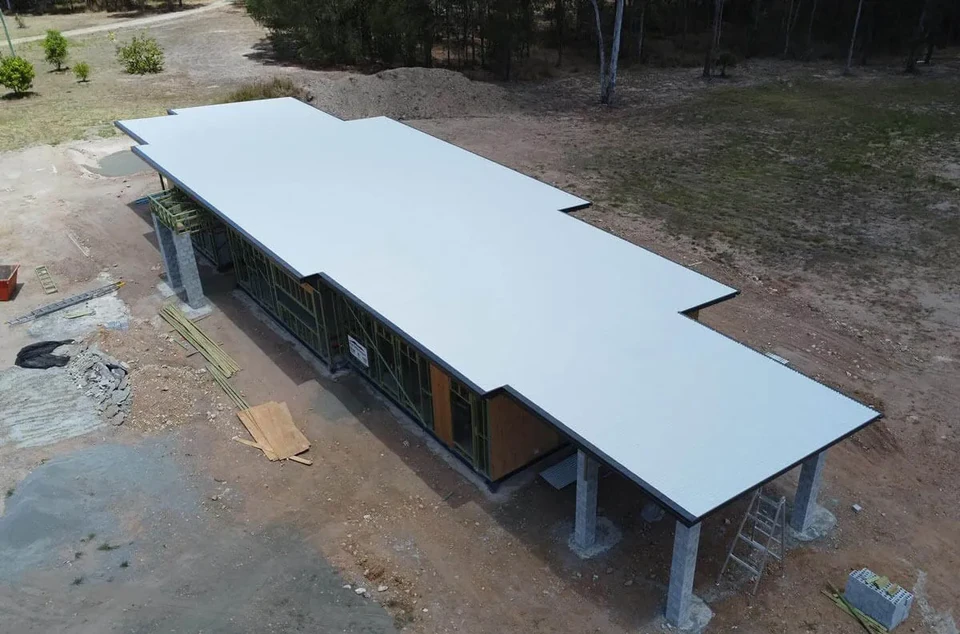
Homeowners comparing Colorbond and tile roofing usually want to know which option will keep indoor temperatures lower on hot days. Both can perform well in summer, but they behave differently. The main differences come down to colour, surface finish, thermal mass and how the roof is insulated and ventilated.
In many Australian conditions, a light-coloured Colorbond roof with good insulation will generally keep a home cooler than a dark tiled roof. However, a pale concrete or terracotta tile roof with reflective sarking and proper insulation can also deliver strong thermal performance. In practice, the cooler option is often the one that forms part of the better overall roof system.
Colorbond is a light steel roofing system that heats up quickly in the sun but also releases heat quickly once conditions change. Modern Colorbond colours include solar reflective technology that helps the roof reflect more of the sun’s energy rather than absorb it.
In practical terms, this means a light Colorbond roof can have a noticeably lower surface temperature than a darker metal or tiled roof exposed to the same conditions. When combined with quality ceiling insulation, this can help reduce the amount of heat moving into the rooms below. Because the sheets are continuous and neatly installed, Colorbond systems can also help limit unwanted heat entry through gaps or poorly performing older roof assemblies.
Ventilation also plays a major role. Colorbond roofs are often paired with ridge vents, whirlybirds or other ventilation systems that help remove hot air from the roof space and reduce heat build-up throughout the day.
Concrete and terracotta tiles have greater thermal mass, which means they absorb heat more slowly and release it more slowly as well. On a hot day, this can mean the roof surface stays warm well into the evening. If the roof space is poorly insulated or lacks ventilation, that retained heat can continue affecting indoor comfort after sunset.
That said, a light-coloured tile roof can still perform well in summer. When tiles are paired with reflective sarking and adequate ceiling insulation, the amount of heat transferred into the home can be greatly reduced. Some tiled roofs also allow a small amount of natural airflow through gaps in the roof covering, but this should not be treated as a substitute for proper roof ventilation.
Older tiled roofs are often less thermally efficient because they may lack sarking, have ageing insulation or include gaps and repairs that reduce overall performance. In these cases, a modern insulated Colorbond roof may provide a noticeable improvement.
For many homes, a modern light-coloured Colorbond roof with reflective paint technology, good insulation and effective ventilation will generally create a cooler indoor environment than an equivalent dark tiled roof, especially in hot or humid climates.
However, the biggest difference usually comes from the complete roof system rather than the material alone. A tiled roof with light-coloured tiles, reflective sarking, quality ceiling insulation and adequate ventilation can still perform very well. When professional roofing specialists advise homeowners on cooling performance, the focus is usually on selecting a suitable roof colour, improving insulation and planning ventilation properly, whether the final choice is Colorbond or tile.
How cool a home feels in summer is only partly determined by the roofing material. Colorbond can reflect a significant amount of heat, but indoor comfort depends on how the whole building manages heat gain and airflow.
Professional roofing specialists often explain that roof colour is only one part of the picture. Insulation, sarking, ventilation, ceiling condition, glazing and shading all influence how much heat enters the home and how long it stays there. Looking at the roof in isolation can oversimplify the issue, especially in homes with large west-facing windows or poor ceiling insulation.
The roof is the first major surface exposed to the sun, so roof colour makes a noticeable difference. Lighter Colorbond colours reflect more solar radiation, while darker colours absorb more heat and raise roof space temperatures more quickly.
Insulation is just as important. Bulk insulation such as ceiling batts slows the movement of heat from the roof space into the rooms below. If insulation is missing, thin, compressed or damp, it cannot perform as effectively, and indoor areas will heat up faster during the day.
Roof sarking or foil-backed blankets beneath the roof covering add another layer of thermal protection. They help reflect radiant heat away from the roof space and can also reduce draughts and dust. When roofing contractors assess thermal performance, they usually consider roof colour, insulation levels and sarking together rather than treating any one element as the entire solution.
Hot air trapped in the roof space can continue radiating downward long after the roof surface has heated up. Effective ventilation helps remove that built-up hot air so the roof cavity can cool more quickly.
Passive systems such as ridge vents and eave vents support natural airflow, while whirlybirds and other roof vents can help exhaust hot air more actively. The shape, pitch and layout of the roof also affect how easily hot air can escape.
A balanced approach works best. Good insulation helps slow heat transfer into the home, while properly planned ventilation reduces heat build-up in the roof space. When these elements work together, indoor temperatures tend to remain more stable through the hottest part of the day.
Even with a well-performing roof, a home can still feel uncomfortably hot if it has large exposed windows that admit strong afternoon sun. Glass allows solar heat to enter living spaces directly, where it is then absorbed by internal surfaces and re-radiated into the room.
Homes with large west- or north-facing windows often benefit from external shading such as awnings, pergolas, blinds or well-placed trees. Internal window coverings can help, but stopping the sun before it reaches the glass is usually more effective.
Orientation, wall insulation and external wall colour also influence indoor comfort. Lighter external surfaces reflect more heat, just as lighter roofs do. When roofing specialists advise homeowners on cooling performance, they often do so in the context of these broader design factors so expectations are realistic and practical.
Colorbond roofing can make a real difference to how hot a home feels, especially during summer. The effect is usually most noticeable when lighter, high solar reflectance colours and Thermatech technology are used, and when the roof is supported by good insulation and ventilation.
Homeowners should not expect Colorbond alone to completely transform a hot house into a cool one. It works best as part of a broader heat management strategy that includes ceiling insulation, sarking and well-designed ventilation. When used this way, it can help reduce heat gain, improve comfort and ease the load on cooling systems.
In practical terms, a lighter Colorbond roof can have a significantly lower surface temperature than a very dark traditional metal roof in full summer sun. A lower surface temperature means less radiant heat enters the roof space and less heat is pushed toward the rooms below.
Inside the home, this can mean lower ceiling temperatures, slower afternoon heat build-up and reduced reliance on air conditioning during hot weather. The exact result will vary depending on the house design, insulation levels and ventilation, but many homeowners notice that upper rooms and living areas feel less oppressive later in the day.
The cooling benefit is most noticeable in hot, sunny conditions and in homes with large roof areas exposed to full sun for long periods. It can be especially noticeable where the old roof was a dark metal roof or an ageing tiled roof that absorbed and held a lot of heat.
In coastal or milder parts of the Sunshine Coast, the benefit may show up more as improved comfort and lower cooling demand rather than dramatic temperature differences indoors. In hotter exposed settings, the reduction in roof heat gain is often easier for occupants to notice.
From a practical perspective, homeowners who install a light- or mid-tone Colorbond roof with Thermatech can reasonably expect a cooler roof space, more stable indoor temperatures and potential reductions in cooling energy use during summer.
However, if a home has poor insulation, large west-facing windows or other design issues that allow heat to build up quickly, the roof alone will not overcome those problems. For the best result, a suitable Colorbond colour should be paired with quality ceiling insulation and adequate roof ventilation so the roof forms part of a complete thermal solution.
Colorbond roofing can make a noticeable difference to how hot a home feels, but its performance depends on more than the roofing material alone. Colour choice, reflective technology, insulation, sarking and ventilation all influence how much heat enters the roof space and living areas below.
When these elements are considered together, Colorbond can help reduce summer heat gain, improve indoor comfort and lower the strain on cooling systems. For homeowners comparing roofing options on the Sunshine Coast, that makes Colorbond not just an attractive choice, but a practical long-term investment in comfort, durability and overall home performance.