

When Rust on a Metal Roof Becomes More Than a Surface Issue
April 30, 2026
When rust first appears on a metal roof, it can look like a minor surface issue. In reality, corrosion can be an early warning sign that protective coatings, fasteners, flashings or roof sheets are starting to break down. For properties considering re roofing on the Sunshine Coast, understanding how rust develops is especially important because coastal moisture, salt air, high UV exposure and heavy rain can accelerate deterioration.
CBT Roofing explains the difference between surface rust and more serious corrosion, the warning signs to look for and when repair or replacement may be the safer long-term option.
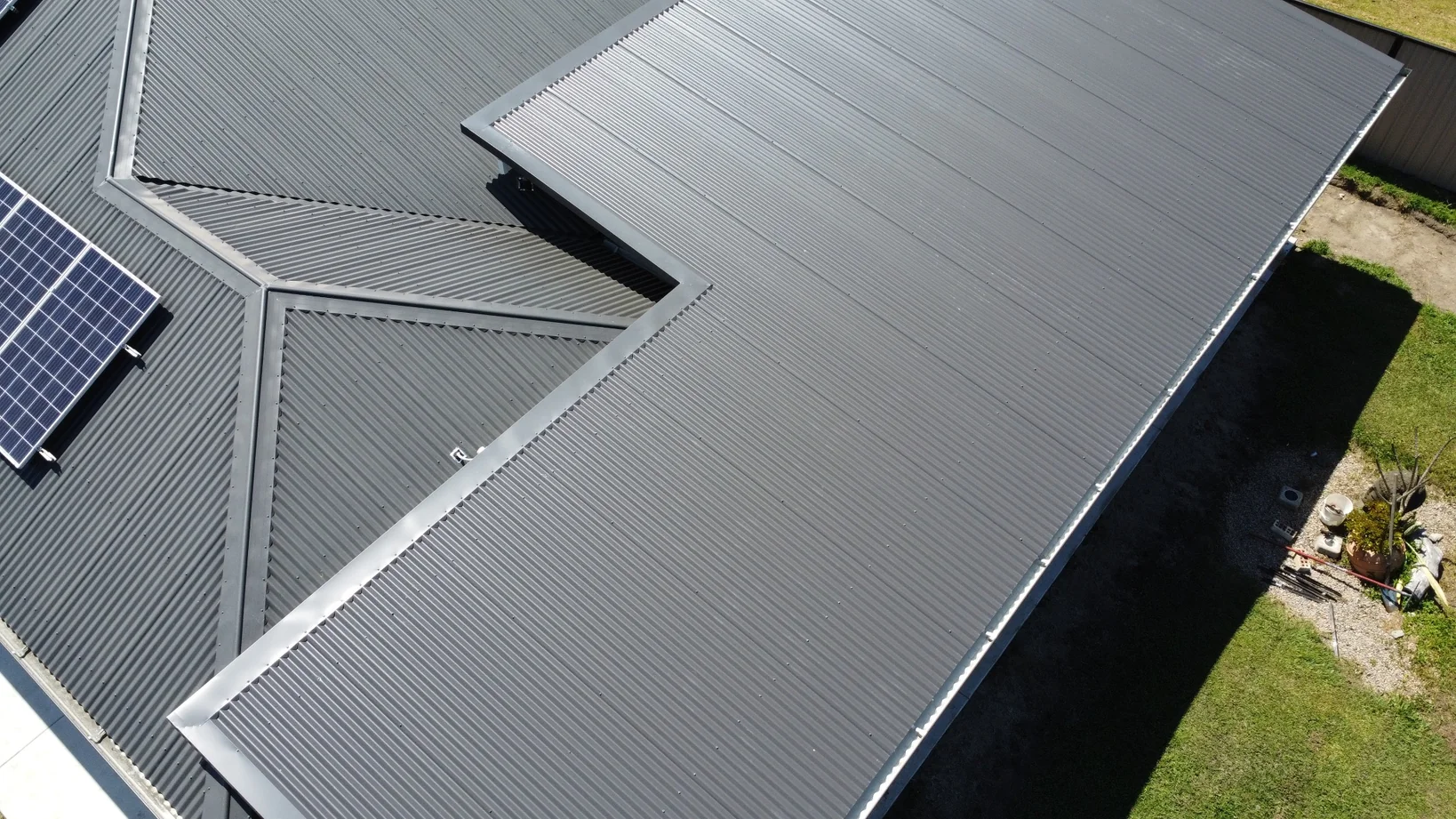
Not all rust on a metal roof carries the same level of risk. Light surface rust may only affect the coating or the very top layer of the metal, particularly where the roof has been scratched, cut or exposed to trapped moisture. If caught early, this type of rust can often be treated before it spreads.
More serious corrosion occurs when rust penetrates deeper into the roof sheet, fasteners, flashings or supporting roof structure. At this stage, the roof may no longer be fully weather-tight, and the affected areas can become weaker over time. Understanding the difference helps determine whether maintenance is enough or whether sections of the roof may need repair or replacement.
Surface rust is usually the earliest and least severe stage of corrosion. It often appears as light orange or brown staining on the roof surface, especially around scratches, cut edges, fasteners or areas where leaves and debris have held moisture against the metal.
Common signs of surface rust include:
In these cases, the roof sheet may still be structurally sound. The concern is that once the protective coating has been compromised, corrosion can continue to spread if the area is not cleaned, treated and protected.
Rust becomes a greater concern when it starts to affect the metal itself rather than just the coating. This can reduce the strength of the roof sheet, weaken fixings and allow water to enter through seams, penetrations or rusted holes.
Warning signs include:
Once rust has caused holes, thinning or widespread flaking, cleaning and repainting will usually not be enough. The affected roof sheets, fasteners or flashings may need to be replaced, and the roof cavity may need to be checked for hidden water damage.
Rust on a metal roof rarely appears at random. It usually begins at vulnerable points where protective coatings are thin, damaged or exposed to ongoing moisture. On coastal homes, these areas can deteriorate faster because salt-laden air increases the rate of corrosion.
Roof screws are one of the most common starting points for rust. Scratched screw heads, ageing rubber washers or incorrectly driven screws can allow water to sit around the fixing. Over time, this may lead to corrosion around the fastener and reduce the roof sheet’s ability to stay firmly secured.
If the fasteners are incompatible with the roof material, corrosion may also occur more quickly. This is why using the correct metal fixings and replacing deteriorated screws is important for long-term roof performance.
Cut edges are more vulnerable because they may not have the same level of protective coating as the main surface of the roof sheet. Rust often starts around eaves, valleys, penetrations and areas where sheets have been cut to fit.
Poor cutting methods can make the problem worse. If abrasive tools are used incorrectly, they can damage protective coatings or leave metal filings on the roof. Those filings can rust and stain the surface, even if the roof sheet itself is still in reasonable condition.
Seams and overlaps can trap moisture, dirt and leaf matter. These areas may take longer to dry after rain, which creates ideal conditions for rust to develop. If corrosion begins inside a lap or beneath a flashing, it can remain hidden until staining, leaks or sheet deterioration become visible.
Flashings around skylights, vents, chimneys, walls and roof penetrations also need close attention. These areas involve joins and sealants, so small failures can allow water to enter and accelerate rust around the surrounding metal.
Rust can also develop along roof edges, especially where gutters overflow, hold debris or direct moisture back towards the roof sheets. Blocked gutters can keep parts of the roofline damp for longer, which increases the chance of corrosion.
On coastal properties, gutters, valleys and roof edges often experience heavier exposure to salt, wind-driven rain and organic debris. These areas should be checked regularly as part of normal roof maintenance.
Once rust starts, several conditions can cause it to spread more quickly. The most obvious is moisture. Roofs with poor drainage, blocked gutters, shaded sections or low-slope areas that hold water are more likely to develop ongoing corrosion.
Coastal exposure is another major factor. Sunshine Coast homes can be exposed to salt air, humid conditions and storms, all of which can place extra pressure on metal roofing. Even small scratches or coating failures may deteriorate faster in this environment than they would inland.
Rust can also spread where dissimilar metals come into contact. For example, incompatible brackets, fixings, pipes or accessories can create galvanic corrosion when moisture is present. This is why roof repairs and additions should use compatible materials rather than whatever is easiest to source.
Movement also plays a role. Metal roofing expands and contracts with temperature changes. Over time, this movement can loosen fixings, open small gaps and worsen existing cracks in coatings or sealants. Once water has a pathway in, corrosion can continue from both the top and underside of the roof sheet.
Rust should be treated seriously when it affects how the roof performs, not just how it looks. A small rust mark may not be urgent, but certain signs suggest the damage has moved beyond the surface.
Flaking rust is a sign that the metal is actively deteriorating. If rust can be scraped away in layers, the protective coating has failed and the metal underneath has started breaking down.
Pitting is another important warning sign. Small depressions, rough patches or pinholes show that corrosion is eating into the roof sheet. Even if the roof still appears mostly intact from a distance, pitted metal can be much thinner and weaker than it looks.
If the metal feels soft, brittle or unusually flexible, the area should not be walked on. This can indicate that the sheet has lost strength and may no longer be safe or weather-tight.
Rust around screws, clips, seams or laps is more concerning than an isolated surface stain in the middle of a sheet. These areas are part of the roof’s fixing and waterproofing system. If corrosion weakens the fasteners or opens gaps between sheets, water can be drawn into the roof during rain.
Rust-stained water marks around screws or seams may also suggest moisture is already moving through the roof assembly. Once water enters beneath the roof sheets, corrosion can spread from the underside where it is harder to detect.
Internal signs often show that rust has already affected the roof’s weather resistance. Water stains on ceilings, damp insulation, peeling paint, mould or musty smells in the roof cavity can all suggest a leak above.
If interior staining lines up with rusted sections of roof, the issue is no longer just cosmetic. At that point, the roof needs a proper assessment to identify the source of the leak, the extent of corrosion and whether surrounding materials have also been affected.
When rust first appears, the goal is to understand how deep it is, how far it has spread and whether it is linked to leaks or structural weakening. A safe visual inspection from the ground can reveal a lot, but walking on a rusted roof should be avoided unless it has been assessed as safe.
Start by looking at the location of the rust. Is it isolated to one fastener, one scratch or one roof penetration, or is it spreading across large sections of the roof? Localised rust may point to a specific issue, while widespread rust can suggest ageing materials, coating breakdown or ongoing exposure problems.
It is also useful to check whether the rust is smooth or rough. Light staining is less concerning than flaking, bubbling, pitting or holes. Rust that runs in streaks down the roof, fascia or gutters may indicate that corrosion is actively washing off during rain.
Inside the property, check ceilings, walls and the roof cavity for moisture marks, mould, damp insulation or daylight showing through the roof. Any signs of water entry should be treated as a more serious issue, even if the rust outside appears minor.
Repairs may be suitable when rust is caught early and limited to small areas. Light surface rust can often be cleaned, treated with suitable rust products, primed and coated to help protect the metal from further exposure.
Localised corrosion around fasteners may be repaired by replacing affected screws and washers, resealing joints and treating nearby rust. Small damaged areas may also be patched or repaired if the surrounding roof sheet remains strong and weather-tight.
Repair is more likely to be worthwhile when the roof is otherwise in good condition, the rust is isolated and the cause can be corrected. For example, if corrosion has started because of debris build-up, a damaged flashing or a small installation issue, addressing that cause may extend the life of the roof.
Replacement becomes more likely when rust is widespread, deep or affecting important parts of the roof system. If multiple sheets have pitting, holes, flaking, soft areas or repeated leaks, patching may only provide a temporary fix.
A roof near the end of its service life may also be better suited to replacement than ongoing repairs. If the roof has already had multiple patch jobs, recurring leaks and broad areas of corrosion, the cost of continued maintenance can outweigh the value of a more reliable re-roofing solution.
Structural concerns are the most serious threshold. If rust has affected purlins, battens, major fixings, roof framing or large sections of sheet metal, safety becomes the priority. In these cases, a professional assessment is essential before anyone walks on the roof or attempts further repairs.
A qualified roofing professional can determine whether rust is superficial, localised or part of a wider roofing failure. This assessment may involve checking roof sheets, fasteners, seams, flashings, gutters and the underside of the roof where accessible.
The inspection should also consider the age of the roof, the type of metal roofing, coastal exposure, previous repairs and any signs of internal water damage. This gives a clearer picture of whether the roof can be repaired, partially replaced or whether full replacement is the better long-term option.
For Sunshine Coast properties, professional advice is especially valuable because the environment can be harsh on roofing materials. A repair that might last well in a sheltered inland setting may not perform the same way in a coastal location with salt air, storms and high humidity.
Rust on a metal roof should not be ignored. While light surface rust may be treatable, deeper corrosion can weaken roof sheets, compromise fasteners, create leaks and shorten the life of the entire roofing system. The most important step is recognising the difference between minor staining and signs of structural deterioration.
Regular inspections, prompt repairs, compatible materials and proper roof maintenance can help slow corrosion and protect the roof for longer. Where rust is widespread, advanced or linked to leaks, professional assessment is the safest way to decide whether repair or re-roofing is the better solution.