

When Are Roof Repairs No Longer Worth It?
March 12, 2026
When a roof starts to leak or show visible wear, it is natural for homeowners to ask a critical question: is another repair worth the money, or is it time to invest in a full roof replacement on the Sunshine Coast? This dilemma comes up often, and it can be difficult to judge where the tipping point lies. The wrong decision can lead to escalating costs, repeated callouts and growing disruption, while the right choice can protect the household budget and peace of mind for years to come.
This article explains the key signs that roof repairs may no longer be the most sensible option. It looks at how age, materials and previous workmanship affect the lifespan of a roof, how to weigh ongoing repair bills against the cost of replacement, and why underlying structural issues can turn small problems into serious risks if left unresolved. By understanding how professionals assess damage, moisture ingress, insulation performance and safety concerns, homeowners can make clearer, more confident decisions about whether to repair or replace their roof before minor issues become expensive emergencies.
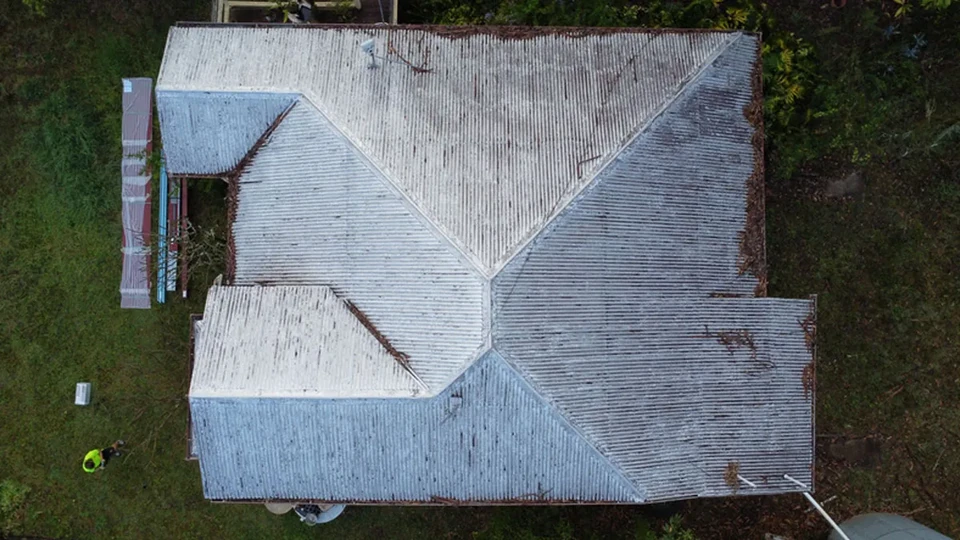
There comes a point where each new repair only holds the roof together for a season or two instead of restoring long-term protection. At that stage, the money spent patching leaks or replacing a few damaged sections is really just delaying a larger investment in a new roof. Roofers help homeowners recognise when repairs are no longer a lasting solution. The goal is to stop pouring money into quick fixes that do not address underlying age, wear or structural problems.
If the same spot needs attention every year or after every heavy storm, the repair is acting more like a bandage than a cure. For example, if chimney flashing is resealed several times yet water still finds its way inside, the real issue may be deteriorated surrounding roofing materials or failing sarking beneath the roof covering.
Persistent leaks often mean water has already worked its way under the roof surface. At that stage, simply sealing the visible gap usually will not stop moisture from spreading through the substrate, battens or insulation. When roofers find soft or stained substrate beneath a leak, it is a clear sign that patch repairs are only slowing further damage.
Repairs are most effective when damage is limited to a small, defined area. Once roof sheets are rusting, lifting or loosening across large sections, or roof tiles are cracked, slipped or deteriorating in multiple areas, each fix becomes short-lived. Replacing a small section of damaged roofing in an otherwise worn-out roof does not extend the life of the remaining materials.
The same applies to flat or low-slope roofs. If the membrane has multiple blisters, splits or punctures scattered across the surface, each patched area may hold for a while, but the ageing material between repairs will continue to fail. At that point, patching becomes more about chasing problems than preventing them.
Roofers look at the overall condition of the roof, not just the immediate issue. When 25 to 30 per cent or more of a roof slope shows advanced wear, it is usually more cost-effective to discuss replacement.
Sometimes the issue is not only ageing materials, but also an underlying design or structural problem. For example, chronic ponding on a low-slope roof, a valley that was never flashed correctly, or ventilation that is inadequate for local conditions. In those cases, each repair may stop a leak in the short term, but the same conditions keep causing new failures.
If rafters are sagging, the roof substrate feels spongy underfoot, or mould and moisture are appearing in the roof space, the roof system itself may be compromised. Adding new tiles, sheets or sealant on top does not correct the structural issue, and the repair window becomes shorter each time.
When a roof starts failing from the inside out rather than just at the surface, repairs quickly lose value. Structural rust, loose or failing fasteners, and damaged substrate materials often indicate that the roof is reaching the end of its practical life. At that point, patching leaks may only buy very short-term relief while underlying damage continues to spread.
Roofers look closely at the less visible parts of a roof structure to decide whether repair is still a sensible investment. If the metal supports, fixings and underlying materials are compromised, it is usually safer and more cost-effective to plan for major remediation or full replacement.
Surface rust on metal roofing can often be cleaned back and treated or recoated. The problem becomes more serious when rust is affecting structural elements such as purlins, trusses, beams or metal battens. Corrosion in these areas can weaken the load-bearing components that support the roof and any attached solar system or plant equipment.
Warning signs include flaking metal, deep pitting, holes forming around connection points, or rust that keeps returning even after treatment. In coastal or industrial environments, structural rust often starts at connection points where moisture and salt collect. When roofers find widespread structural corrosion, the cost of cutting out and replacing each affected section can come close to the cost of a new roof system.
If rust has reduced the thickness of a structural member or distorted its shape, repairs may not restore the original strength. Engineering assessment may be required, and the outcome is often that full or partial structural replacement makes more sense than repeated patch repairs.
Roof screws and fixings are designed to hold roof sheets firmly to the structure and keep water out at every penetration point. Over time, thermal movement, wind uplift and vibration can cause fixings to loosen, back out or fail. Older fasteners can also corrode so that rubber washers perish and allow water to track into the fixings and roof frame.
If only a small percentage of fixings are failing, professional roofers can often restore performance by refastening with modern cyclone-rated screws and fresh sealing washers. However, if most of the fixings across a roof are rusted, stripped or pulling out, it is usually a sign that the roof sheeting is worn, the substrate has weakened or the original fixing pattern was inadequate.
In these cases, simply replacing the fasteners will not permanently solve the problem. New screws may not hold properly in degraded timber or corroded steel, leaving the roof vulnerable to leaks and storm damage. That is usually the point where a full re-roof with new sheets and fixings becomes the more reliable option.
The substrate is the layer that roof sheets or tiles are fixed to, such as timber battens, plywood, metal purlins or concrete. Water ingress often damages this layer long before obvious leaks appear inside the building. Rotten timbers, delaminated plywood, rusted purlins or cracked concrete reduce the holding power of every fixing above.
Signs that substrate damage has made repairs poor value include springy or uneven roof surfaces, sheets that move underfoot, repeated leaks in the same area, or visible sagging between supports. When roofers lift the roof covering and find extensive rot or corrosion across large areas, the labour required to strip, repair and re-sheet can rival the cost of a full roof replacement.
Substrate issues are especially important for property owners planning to install solar panels or mechanical equipment. A compromised base may not safely carry extra loads, even if surface leaks are patched. In these situations, repairing only the visible problems can create liability risks, and a targeted replacement of the substrate and roof covering is usually the more responsible choice.
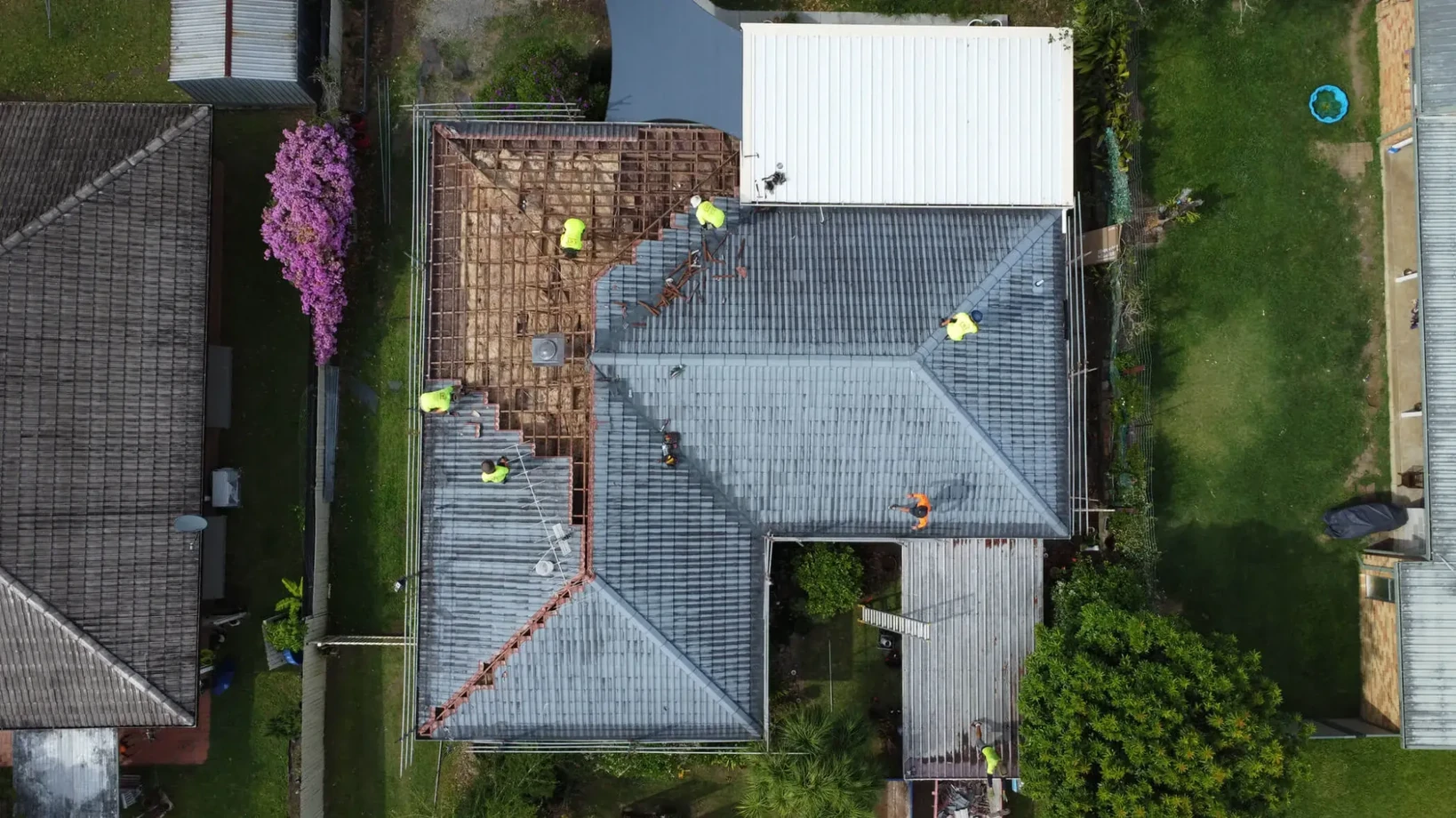
At some point, continual patching stops making financial sense. Homeowners often assume another small repair is the cheapest option, but there is a tipping point where a full roof replacement will actually cost less over the next few years than repeated callouts and quick fixes. Looking beyond the immediate bill helps put the true cost of keeping an ageing roof going into perspective.
The key is to compare how much is being spent on repairs against the remaining realistic lifespan of the roof. When repair costs start stacking up year after year, many homeowners discover they are effectively paying for a new roof in instalments without ever getting the long-term reliability.
There are some clear warning signs that a property is trapped in a pattern of repairs that no longer pay off. Calling a roofer more than once a year for leaks, slipped tiles or emergency patching usually indicates that the underlying materials are failing, not just isolated areas.
Other red flags include interior damage that keeps returning, such as recurring water stains on ceilings or damp in the roof space, even after previous repairs. When repainting, insulation replacement or plaster repairs are added to the cost of each roof issue, the true expense climbs quickly.
If repairs are also becoming more invasive, requiring large sections of roofing to be lifted and relaid rather than just a small localised fix, this is another sign that the roof system as a whole is nearing the end of its useful life.
A newly installed roof usually comes with a clear workmanship and material warranty that can reduce future out-of-pocket costs. Ongoing repairs to an ageing roof are usually not covered in the same way, which leaves the homeowner exposed every time severe weather rolls through.
When comparing quotes, it is important to include the value of warranty protection along with the likelihood of future callouts. Even if a repair still looks slightly cheaper today, the combination of repeated disruption, internal damage and limited long-term assurance often means replacement is the smarter option once a roof reaches this stage.
Before deciding whether repairs are still worth the cost, it is important to understand how many usable years the roof is likely to have left. Looking beyond visible damage and considering the age of the materials, past issues and the roof’s overall condition helps homeowners make more informed choices about repair or replacement.
A roof that is near the end of its expected life or has widespread wear will often turn even small repairs into poor value. By assessing age, visible signs of deterioration and underlying structural health, it becomes much clearer whether to keep investing in repairs or to plan for a new roof.
Every roofing material has a typical lifespan if it has been installed and maintained correctly. As a general guide:
A roof’s age should then be considered alongside the material type, quality of installation and local weather exposure to estimate a more realistic remaining lifespan.
Leaks are usually a late warning sign. Long before water enters the home, the roof will often show surface wear that indicates how much life it has left.
From the outside, a careful inspection may reveal rusting or lifting roof sheets, loose or missing fasteners, cracked, slipped or broken tiles, bald or worn protective coatings, sagging roof lines, or heavy moss and algae growth that suggests long-term moisture retention. If these issues affect more than one side or slope of the roof, the remaining lifespan is usually short, even if only one area is leaking at the moment.
A roof that has needed repeated repairs in recent years usually has less life left than one that has been largely trouble-free, even if both are the same age. Multiple patched areas, slipping previous repairs, or mismatched sections of roofing material can all suggest that the roof is deteriorating in stages.
It is also important to consider the condition of the structure beneath. If the roof substrate is soft, sagging or affected by significant rot, then even a relatively young roof covering may not justify more repairs because the underlying support has been compromised. In those situations, it often makes more sense to consider replacement and structural repair together rather than continuing to spend money on temporary fixes.
Knowing when roof repairs are no longer worth it comes down to balancing risk, cost and long-term value. The key warning signs usually include frequent leaks in different areas, widespread deterioration of roof sheets or tiles, sagging or structural concerns, chronic moisture issues in the roof space, and repair bills that continue to rise year after year. Age, material type, storm damage and poor past workmanship can all turn what looks like a simple repair into an ongoing cycle of patch jobs that never fully solve the problem.
The goal is not just to fix issues as they appear, but to protect the property, the household budget and long-term peace of mind with a roof that can be relied on for years to come.