

What Damage Can a Small Roof Leak Cause Inside Your Home?
June 23, 2026
A roof leak rarely starts as a major problem. It might begin with a small ceiling stain, a faint musty smell or an occasional drip during heavy rain. However, even minor water intrusion can spread through hidden parts of a home long before visible damage appears. For homeowners considering roof repairs in Sunshine Coast, understanding the potential consequences of an unresolved leak is an important step in protecting the property and its value.
This article explains what can happen when roof leaks are left untreated, from damage to ceilings, walls and insulation to mould growth, timber decay and electrical hazards. It also highlights the warning signs to watch for and explains why early intervention from CBT Roofing can help prevent small issues from escalating into costly repairs.
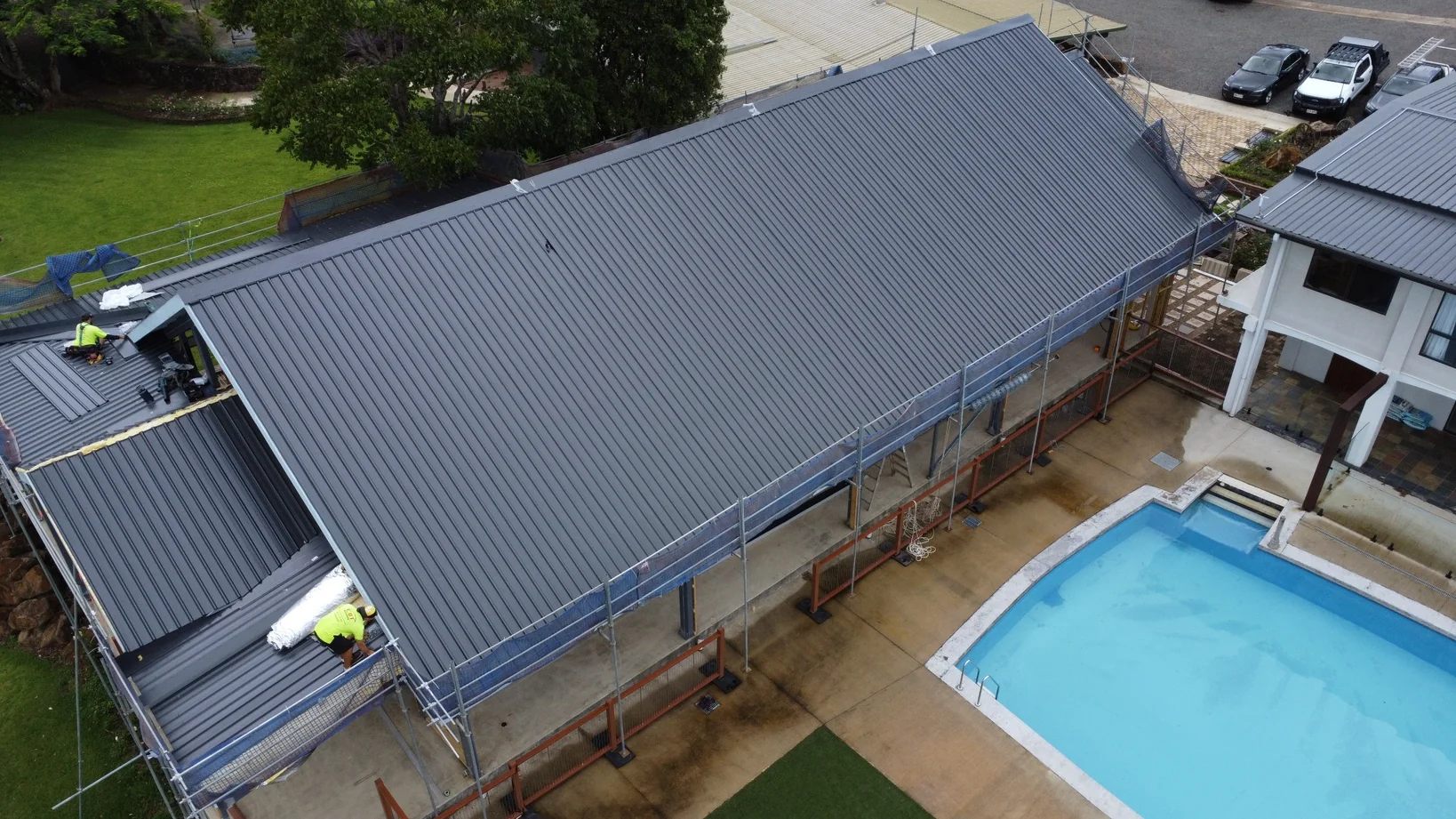
A small roof leak can look harmless, especially if it only appears as a faint stain on the ceiling or an occasional drip during heavy rain. In reality, even a minor leak can spread moisture through hidden parts of the structure long before obvious damage appears. Early inspection limits the area affected, reduces repair costs and helps protect the integrity of the home.
Water rarely stays in one place. Once it enters through damaged flashing, cracked tiles, loose roof sheets or failed sealant around penetrations, it can travel along rafters, insulation, plasterboard and wiring. What begins as a few drops can gradually lead to decayed timber, sagging ceilings, mould growth and damaged electrical components if it is not checked promptly.
Small leaks are also easy to underestimate because the visible stain inside the home may not sit directly below the source of the problem. Water can track along roof framing or ceiling joists before appearing in another area, which is why professional inspection is often needed to identify the true entry point.
Roof systems are designed to shed water quickly. When water bypasses those defences, it can soak into roof decking, battens, rafters, ceiling joists and other structural elements. Even a slow leak can cause damage if the timber remains damp over time.
Untreated roof leaks can contribute to:
Moisture can soften timber fibres and create conditions for fungal decay. As timber deteriorates, it may lose strength and become less able to support the loads placed on it. In more serious cases, this can lead to uneven roof lines, loose roof materials or internal cracking.
What may have been a straightforward repair to flashing, sealant or a small section of roof covering can become a much larger repair if the leak is ignored. Early attention helps prevent moisture from spreading into structural parts of the home.
Ceilings and walls are often the first interior surfaces to show visible signs of a roof leak. What begins as a faint stain or slight paint bubbling can indicate a larger moisture problem hidden within the ceiling space or wall cavity.
Water often pools on the back of plasterboard before finding the easiest path through to the room below. Early signs may include yellow or brown staining, discolouration, peeling paint or a tide mark that spreads outward from the leak area.
As moisture continues to saturate the ceiling material, plasterboard can lose strength. Hairline cracks may appear along joints and screw lines, and the ceiling may start to sag between joists. In severe cases, a waterlogged ceiling can partially collapse, creating a safety risk and potentially damaging furniture, flooring and belongings below.
Once plasterboard has softened or crumbled, repainting is not enough. The affected section may need to be cut out, dried and replaced before the surface can be finished properly.
Water from a roof leak does not always appear directly below the source. It can travel along rafters or ceiling joists before running down inside external walls or partition walls. This can affect wall insulation, timber studs, plaster, plasterboard and painted surfaces.
Common signs include:
Paint and decorative finishes often fail when moisture disrupts the bond between the surface and the coating. Simply painting over stains or peeling sections without fixing the leak usually leads to the same problem returning. The area must be allowed to dry fully, and stain-blocking primers may be needed before repainting to prevent brown marks from bleeding through.
Even a slow or occasional roof leak can affect the performance and safety of the roof cavity. Water can track along rafters, sarking, pipes and wiring before soaking insulation or hidden timber. By the time a stain is visible inside the home, damage within the ceiling space may already be more extensive than expected.
Most residential roofs contain bulk insulation, such as fibreglass or polyester batts. These products are designed to trap dry air. When insulation becomes wet, compacted or clumped together, it can no longer perform as effectively. This can make rooms below hotter in summer and colder in winter, increasing pressure on heating and cooling systems.
Damp insulation can also stay wet for long periods, especially in roof cavities with limited airflow. This can create musty odours, encourage mould growth and contribute to further deterioration of nearby plasterboard or timber.
Roof sarking or foil insulation may also be affected. Prolonged moisture can cause deterioration, corrosion of reflective foil surfaces or failure around joins. Once sarking is compromised, the roof cavity may be more exposed to wind-driven rain, dust and further moisture intrusion.
Persistent dampness around a roof leak creates ideal conditions for mould and mildew. Mould spores are already present in many homes, but they are more likely to grow when surfaces remain damp for extended periods.
Mould often starts in hidden areas, such as the back of plasterboard, roof timbers, wall cavities or wet insulation. By the time dark patches appear on ceilings or walls, the mould problem may already be more widespread than it looks.
Warning signs can include:
Mould can aggravate asthma, allergies and other respiratory issues, particularly for young children, older adults and people with existing health conditions. Cleaning visible mould from the surface will not solve the problem if the roof leak remains active. The moisture source must be fixed first, and affected materials may need to be dried, treated or replaced depending on the extent of contamination.
A roof leak can become a serious safety issue if water reaches wiring, junction boxes, ceiling fans, downlights, exhaust fans or power points. The risk is not limited to visible dripping around light fixtures. Moisture can travel through insulation and framing before pooling around concealed electrical components.
Water can cause corrosion, short circuits and damage to cable insulation. Even if the power does not cut out immediately, faults may develop later as connections deteriorate.
Signs of a possible electrical hazard include:
If any of these signs appear, the safest immediate action is to turn off power to the affected circuit at the switchboard, if it is safe to do so. If the affected circuit is unclear, the entire property may need to be isolated until a licensed electrician can assess the issue.
Water and electricity should never be handled together. Avoid touching wet switches, power points or light fittings, and keep children and pets away from the affected area. Any electrical components exposed to moisture should be inspected by a qualified professional before power is restored.
When signs of a roof leak appear, the priority is to limit water intrusion and protect the interior of the home. Even a slow drip can spread moisture through insulation, framing and plasterboard, so prompt action can reduce hidden damage and repair costs.
At the first sign of discolouration, dampness or dripping, move furniture, rugs, electrical items and valuables away from the affected area. Place a bucket or container under active drips and use towels or plastic sheeting to protect flooring where possible.
If water is pooling in a ceiling and the surface is bulging, it may need to be drained in a controlled way to prevent a larger collapse. This should only be attempted carefully and from a safe position. If there is any chance that water has reached electrical fittings, the affected circuit should be switched off before anyone goes near the area.
Wet rugs should be lifted and dried, and hard floors should be wiped down to reduce the risk of water damage, warping and mould growth.
Locating the exact source of a roof leak from inside the home is not always easy. Water can travel along rafters, ceiling joists or sarking before appearing in another location. However, safe visual checks can still be helpful.
From inside the ceiling space, if it is safe and accessible, look for damp insulation, darkened timber, water trails, stained sarking or visible daylight through roof coverings. Also note whether plumbing pipes, air conditioning units or ducting are nearby, as not every ceiling leak is caused by the roof covering itself.
Climbing onto the roof, especially during wet weather, should be avoided. Wet or damaged roof surfaces are unsafe and walking on them can make the damage worse. Ground-level checks or observations from an upstairs window are safer until a professional inspection can be arranged.
Before moving items or cleaning up, document the interior and exterior damage where it is safe to do so. Take clear photos or videos of stained ceilings, peeling paint, damp walls, puddles, damaged belongings and any visible roof issues. This can be useful for insurance purposes and can help the roofing contractor understand how the leak has developed.
Temporary measures may help reduce immediate water entry, but they should not be treated as a permanent repair. Sealants applied from inside the roof cavity rarely address the true cause of the leak. A roofing specialist can identify issues such as damaged flashing, cracked tiles, loose roof sheets, blocked valleys, worn sealant or failed penetrations and recommend a targeted repair before the next heavy rain causes further damage.
Even a minor roof leak can have serious consequences when left unchecked. As moisture spreads through ceilings, walls, insulation and roof cavities, it can trigger structural deterioration, mould growth, electrical hazards and rising repair costs.
Because water often travels beyond the point where damage first becomes visible, the true extent of a leak is frequently greater than homeowners realise. Prompt inspection and repair remain the most effective ways to minimise damage, protect the integrity of the home and avoid more costly work later.